You have probably heard the phrase "gut health" more and more in recent years — in articles, on social media, and in conversations about wellness. But what does it actually mean? And why are so many people paying attention to their digestive system in ways that go beyond occasional heartburn or an upset stomach?
This article is a plain-English introduction to gut health. We will cover what the gut is, what the microbiome does, how digestion works, and how everyday choices — including what you eat, how hydrated you are, and how you manage stress — may influence how you feel. For a deeper look at specific topics, see our guides on food and symptom tracking, hydration and digestive health, and fiber and gut health.
What Is the Gut?
When people talk about the "gut," they are usually referring to the digestive tract — the long tube that runs from your mouth to your intestines. It includes the stomach, small intestine, and large intestine (colon). Each section plays a role in breaking down food, absorbing nutrients, and moving waste out of the body.
But the gut is more than a food-processing system. It is also home to a vast community of microorganisms — bacteria, fungi, and other microbes — collectively known as the gut microbiome. These microbes live primarily in the large intestine and may play roles in digestion, immune function, and other aspects of health.
What Does the Gut Microbiome Do?
The gut microbiome is not a single thing — it is a complex, dynamic ecosystem. Some of the bacteria in your gut help break down dietary fiber into compounds that may benefit the body. Others are involved in producing certain vitamins. The balance and diversity of these microbes can be influenced by diet, medications (especially antibiotics), stress, sleep, and other lifestyle factors.
Research into the microbiome is active and evolving. While some connections between gut bacteria and overall health are well-established, many claims about the microbiome are still being studied. It is best to think of the microbiome as one piece of a larger health picture, not a single lever that controls everything. For more on the microbiome and immunity, see our article on the gut microbiome and autoimmune disease.
How Digestion Works — A Quick Overview
Understanding the basics of digestion helps explain why certain foods or habits may affect how you feel:
- Mouth: Chewing breaks food into smaller pieces and mixes it with enzymes that begin breaking down starches.
- Stomach: Stomach acid and enzymes further break down food into a semi-liquid mixture.
- Small intestine: Most nutrient absorption happens here, with help from enzymes from the pancreas and bile from the liver.
- Large intestine (colon): Water and electrolytes are absorbed, and gut bacteria ferment remaining fiber, producing compounds that may support gut health.
Each stage of digestion depends on the others. For example, not chewing thoroughly or eating too quickly may contribute to bloating in some people. Staying hydrated helps keep things moving — learn more in our guide to hydration and digestive health.
What Might Affect Gut Health?
No single factor determines gut health. Instead, a combination of dietary and lifestyle factors may play a role:
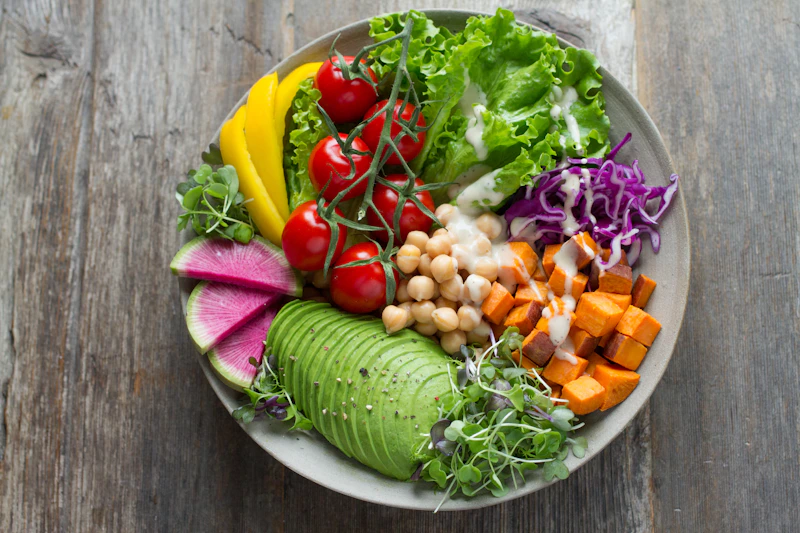
- Dietary fiber: Fiber from fruits, vegetables, whole grains, legumes, and nuts feeds beneficial gut bacteria. See our guide to fiber and gut health for details.
- Hydration: Adequate water intake helps support digestion and regular bowel movements.
- Variety of plant foods: Eating a diverse range of fruits, vegetables, and whole grains is associated with greater microbial diversity.
- Sleep and stress: Poor sleep and chronic stress may affect gut function in some people.
- Antibiotics: While sometimes necessary, antibiotics can disrupt the balance of gut bacteria. Always follow your doctor's guidance.
- Physical activity: Regular movement is associated with healthier digestion.
Signs Your Gut Might Need Attention
Occasional bloating, gas, or irregularity are common and usually not a cause for concern. However, persistent or severe symptoms may warrant a conversation with your doctor. These can include:
- Frequent abdominal pain or cramping
- Persistent bloating that does not resolve
- Chronic diarrhea or constipation
- Unexplained weight loss
- Blood in the stool
- Persistent nausea or vomiting
These symptoms can have many causes, and only a healthcare provider can evaluate them properly. Tracking your symptoms can help you have a more productive conversation — see our guide to food and symptom tracking to learn how.
The Connection Between Food and How You Feel
Some people notice that certain foods seem to trigger digestive discomfort. This is a common reason people start paying closer attention to gut health. However, identifying specific food triggers can be difficult without a systematic approach.
Keeping a food and symptom journal — where you record what you eat alongside how you feel — may help you and your doctor spot possible patterns. Our guide to keeping a food and symptom journal walks through how to do this effectively.
If you want a tool that helps you track food, symptoms, hydration, and daily patterns in one place, consider Gut to Remission — it is designed to help you organize and observe your gut-health information over time.
The Gut Barrier and "Leaky Gut"
You may have heard the phrase "leaky gut" in wellness media. In scientific research, the concept refers to increased intestinal permeability — a measurable change in how the intestinal barrier functions. To learn what this term actually means — and what it does not — see our article on leaky gut: what does it actually mean?
Researchers have also found associations between intestinal barrier changes and certain autoimmune conditions. For an overview of this research, see our article on gut health and autoimmune disease.
Common Myths About Gut Health
There is a lot of information — and misinformation — about gut health online. Here are a few common myths:
- "All bacteria are bad." Many bacteria in your gut are beneficial or neutral. The goal is balance, not elimination.
- "A juice cleanse will reset your gut." There is no scientific evidence that short-term cleanses meaningfully change the microbiome.
- "More probiotics are always better." More is not necessarily better. The right approach depends on the individual, and some people may experience side effects.
- "Gut health is only about digestion." Research suggests the gut may play roles beyond digestion, but many claims are still being studied.
What You Can Do Today
If you want to support your gut health, here are practical, evidence-informed steps:
- Eat a variety of fiber-rich foods, including fruits, vegetables, whole grains, and legumes.
- Drink enough water throughout the day.
- Include fermented foods like yogurt, kefir, or sauerkraut if you tolerate them well.
- Move your body regularly — even a daily walk can help.
- Pay attention to how you feel after eating, and consider keeping a food and symptom journal.
- Talk to your doctor before making major dietary changes or starting supplements.
The Bottom Line
Gut health is a broad and evolving area of wellness. While no single food or supplement can guarantee a healthy gut, consistent habits — eating enough fiber, staying hydrated, moving regularly, and paying attention to how you feel — are associated with better digestive well-being. If you want to start tracking your food, symptoms, and daily patterns,Gut to Remission can help you organize that information over time. And if you have persistent digestive symptoms, talk to your doctor.
 Google Play
 Apple Store