Fiber is one of the most talked-about nutrients when it comes to digestive health — and for good reason. It is the part of plant foods that your body cannot fully digest, and it plays a role in how waste moves through your gut, how you feel after eating, and possibly even the balance of bacteria in your digestive tract.
This article explains the two main types of fiber, how each affects digestion, and how to increase your intake safely. For a broader overview, see our guide to gut health basics.
What Is Dietary Fiber?
Dietary fiber is a type of carbohydrate found in plant foods — fruits, vegetables, whole grains, legumes, nuts, and seeds. Unlike other carbohydrates, fiber is not fully broken down by the body's digestive enzymes. Instead, it passes through the stomach and small intestine largely intact, reaching the large intestine where gut bacteria can ferment some types.
There are two main categories of fiber, and each affects the body differently.
Soluble Fiber
Soluble fiber dissolves in water, forming a gel-like substance during digestion. This gel can slow the movement of food through the digestive tract, which may help with:
- Regulating bowel movements: By slowing digestion, soluble fiber may help reduce diarrhea in some people.
- Blood sugar management: Soluble fiber may slow the absorption of sugar, which can help with blood sugar stability.
- Cholesterol: Some types of soluble fiber are associated with lower cholesterol levels.
Sources of soluble fiber include:
- Oats and oat bran
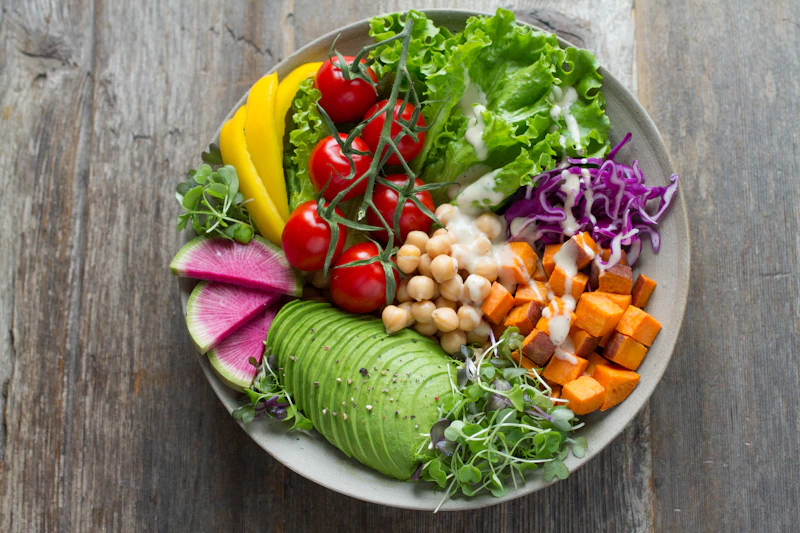
- Beans, lentils, and chickpeas
- Apples and citrus fruits
- Flaxseed and chia seeds
- Psyllium husk
- Barley
Insoluble Fiber
Insoluble fiber does not dissolve in water. Instead, it adds bulk to stool and helps move waste through the digestive tract more quickly. This can help with:
- Promoting regularity: Insoluble fiber helps prevent constipation by speeding up the passage of waste.
- Supporting bowel health: Regular bowel movements may help maintain overall colon health.
Sources of insoluble fiber include:
- Whole wheat and wheat bran
- Brown rice
- Vegetables like carrots, celery, and zucchini
- Fruit skins and seeds
- Nuts and seeds
- Leafy greens
How Fiber Affects Digestion
Fiber affects digestion in several ways:
- Adds bulk to stool: Insoluble fiber makes stool larger and softer, which makes it easier to pass.
- Slows digestion slightly: Soluble fiber forms a gel that can help regulate the speed at which food moves through the gut.
- Feeds gut bacteria: Some types of fiber (called prebiotics) are fermented by bacteria in the large intestine, producing compounds that may support gut health.
- Promotes regularity: Both types of fiber help maintain regular bowel movements, which is important for overall digestive comfort.
How Much Fiber Do You Need?
The Dietary Guidelines for Americans recommend:
- About 25 grams per day for adult women
- About 38 grams per day for adult men
However, most Americans consume significantly less than the recommended amount. If you are not currently eating much fiber, it is important to increase your intake gradually.
How to Increase Fiber Safely
Increasing fiber too quickly can cause bloating, gas, and abdominal discomfort. Here is how to do it safely:
- Go slowly: Add a few grams of fiber per day over several weeks to let your digestive system adjust.
- Drink water: Fiber needs water to work properly. Increasing fiber without adequate hydration can actually cause constipation. See our guide to hydration and digestive health for more.
- Spread it out: Do not eat all your fiber at one meal. Distribute fiber-rich foods throughout the day.
- Choose whole foods: Whole fruits, vegetables, grains, and legumes are better sources of fiber than supplements, because they provide a mix of soluble and insoluble fiber plus other nutrients.
- Chew thoroughly: Proper chewing helps your body process fiber more effectively.
Fiber and Gut Bacteria
Some types of dietary fiber act as prebiotics — compounds that feed beneficial bacteria in the large intestine. When these bacteria ferment fiber, they produce short-chain fatty acids, which may support gut health.
This is one reason why eating a variety of plant foods is associated with greater microbial diversity. Different types of fiber feed different types of bacteria, so variety matters.
However, the research on prebiotics and the microbiome is still evolving. While the general principle is well-supported, the specific effects of individual fibers on specific bacteria are still being studied. For a broader look at how diet may influence gut health, see our guide on diet and the intestinal barrier.
Special Considerations
While fiber is beneficial for most people, some individuals may need to be more careful:
- Irritable bowel syndrome (IBS): Some people with IBS are sensitive to certain types of fermentable carbohydrates (FODMAPs). A registered dietitian can help identify which fibers are well-tolerated.
- Inflammatory bowel disease (IBD): During flare-ups, a low-fiber diet may be recommended. Always follow your doctor's guidance.
- Diverticulitis: Treatment may involve temporary dietary changes. Follow your healthcare provider's instructions.
- Recent surgery: Some surgical patients may need to limit fiber temporarily.
For a broader look at how diet may influence gut health, see our guide on diet and the intestinal barrier.
These are general considerations, not medical advice. If you have a digestive condition, talk to your doctor or a registered dietitian about what fiber intake is right for you.
Practical Ways to Eat More Fiber
- Choose whole-grain bread, pasta, and cereal instead of refined versions.
- Add beans or lentils to soups, salads, and casseroles.
- Eat whole fruits instead of drinking juice.
- Snack on nuts, seeds, or fresh vegetables with hummus.
- Include a vegetable or fruit with every meal.
- Swap white rice for brown rice or quinoa.
- Sprinkle ground flaxseed on oatmeal, yogurt, or smoothies.
If you want to track how your fiber intake relates to how you feel, consider keeping a food and symptom journal. Gut to Remission can help you log meals, symptoms, hydration, and daily patterns in one place.
The Bottom Line
Fiber is a key part of digestive health. Soluble and insoluble fiber each play different roles — from regulating bowel movements to feeding beneficial gut bacteria. The best approach is to eat a variety of fiber-rich plant foods, increase intake gradually, and drink plenty of water. For related topics, see our guides to gut health basics and hydration and digestive health.
 Google Play
 Apple Store