The idea that what you eat might influence your gut health is not new. But with all the claims online about "healing" the gut with specific foods, it can be hard to separate what the evidence actually supports from what is simply marketing.
This article provides an evidence-based overview of how overall diet may influence digestive and gut-barrier health. For foundational concepts, see our guides on gut health basics and what leaky gut actually means.
What Does the Gut Barrier Do?
The intestinal barrier is the lining of your digestive tract. It serves two main functions: absorbing nutrients and water, while keeping harmful substances from entering the body. The barrier is made up of intestinal epithelial cells, tight junctions between them, a mucus layer, and immune cells.
For a detailed explanation of how the barrier works, see our article on intestinal permeability and the immune system.
Dietary Fiber
Dietary fiber is one of the most well-studied dietary factors in gut health. Fiber is the part of plant foods that the body cannot fully digest. When fiber reaches the large intestine, gut bacteria ferment it, producing compounds called short-chain fatty acids (SCFAs).
Research suggests that SCFAs — particularly butyrate — may:
- Provide energy for the cells lining the colon
- Influence the intestinal environment in ways that may support barrier function
- Play a role in immune signaling
Good sources of dietary fiber include:
- Fruits and vegetables
- Whole grains (oats, brown rice, whole wheat)
- Legumes (beans, lentils, chickpeas)
- Nuts and seeds
For a detailed guide, see our article on fiber and gut health.
Plant Foods and Variety
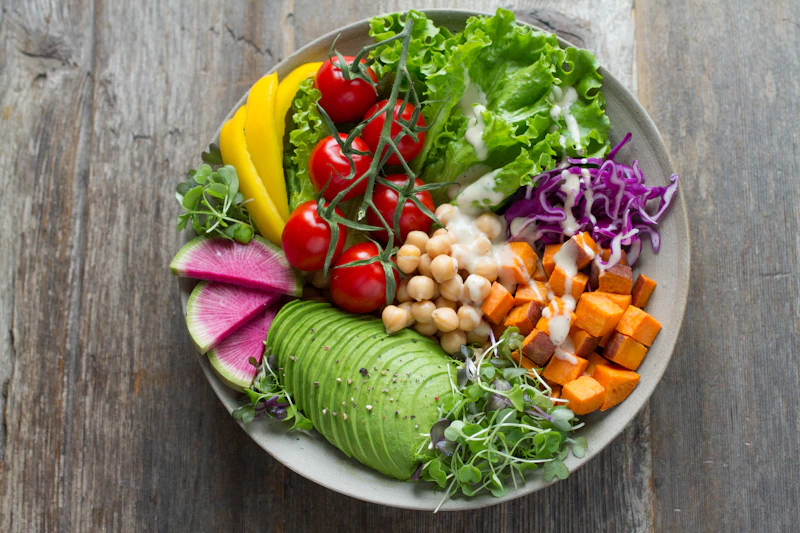
Research suggests that eating a wide variety of plant foods is associated with greater microbial diversity in the gut. Different types of fiber and plant compounds feed different types of bacteria, so variety matters.
Some studies have found that people who eat a diverse range of plant foods — aiming for 30 or more different plant types per week — tend to have more diverse gut microbiomes. However, individual responses vary, and more research is needed to understand the clinical significance.
Fermented Foods
Fermented foods contain live microorganisms that may influence the gut microbiome. Common fermented foods include:
- Yogurt with live cultures
- Kefir
- Sauerkraut
- Kimchi
- Kombucha
- Miso and tempeh
Some research suggests that regular consumption of fermented foods may be associated with changes in the microbiome and possibly markers of inflammation. However, results vary between individuals, and not all fermented foods contain live cultures (some are heat-treated after fermentation, which kills the microbes).
Hydration
Adequate water intake is important for digestive health. Water helps:
- Break down food and absorb nutrients
- Form stool and promote regular bowel movements
- Support the mucus layer that protects the intestinal lining
While there is no single "right" amount of water for everyone, general guidelines suggest drinking when thirsty and aiming for pale-yellow urine. For more, see our guide to hydration and digestive health.
Overall Dietary Patterns
Rather than focusing on individual foods, research increasingly looks at overall dietary patterns — the combination of foods you eat over time. Some dietary patterns that have been associated with favorable gut health markers include:
- Plant-rich diets: Diets high in fruits, vegetables, whole grains, and legumes.
- Mediterranean-style diets: Rich in plant foods, olive oil, fish, and moderate in dairy and red meat.
- High-fiber diets: Meeting or exceeding fiber intake recommendations.
These patterns are associated with greater microbial diversity and better overall health outcomes, though the specific mechanisms are still being studied.
Highly Processed Foods
Some research suggests that diets high in highly processed foods — which are often low in fiber and high in added sugars, unhealthy fats, and artificial additives — may be associated with less favorable gut health markers. However, the research is still developing, and the term "processed" covers a wide range of foods.
It is worth noting that not all processing is the same. For example, canned vegetables and frozen fruits are technically "processed" but can still be nutritious choices.
Microbiome Diversity
A diverse gut microbiome is generally associated with better health outcomes. Dietary factors that may support diversity include:
- Eating a wide variety of plant foods
- Consuming adequate fiber
- Limiting unnecessary antibiotic use (always follow your doctor's guidance)
- Regular physical activity
For more on the microbiome, see our article on the gut microbiome and autoimmune disease.
What the Evidence Does NOT Support
It is important to be clear about what the evidence does not support:
- No specific food has been proven to "repair" the intestinal barrier. While overall dietary patterns may influence gut health, claims about individual foods healing the gut are not supported by strong evidence.
- No diet has been proven to reverse or treat autoimmune disease. For more on this topic, see our article on gut health and autoimmune disease.
- No food has been proven to "cure" inflammation. While some dietary patterns are associated with lower markers of inflammation, no single food can cure inflammation.
- There is no "gut-healing" protocol that works for everyone. Individual responses to diet vary, and what works for one person may not work for another.
Practical, Evidence-Informed Steps
If you want to support your gut health through diet, here are practical steps grounded in the current evidence:
- Eat a variety of fiber-rich plant foods — fruits, vegetables, whole grains, legumes, nuts, and seeds.
- Include fermented foods like yogurt or kefir if you tolerate them well.
- Drink enough water throughout the day.
- Limit excessive intake of highly processed foods.
- Talk to your doctor or a registered dietitian before making major dietary changes or starting supplements.
If you want to track how your diet relates to how you feel, consider keeping a food and symptom journal. See our guide to food and symptom tracking to learn how, or use Gut to Remission to track food, symptoms, hydration, and daily patterns in one place.
The Bottom Line
Overall dietary patterns may influence digestive and gut-barrier health. Diets rich in fiber, a variety of plant foods, and adequate hydration are associated with favorable gut health markers. However, no single food has been proven to "repair" the intestinal barrier, and no diet has been proven to treat autoimmune disease. The best approach is to focus on overall dietary patterns rather than individual "superfoods." For related topics, see our guides on fiber and gut health and hydration and digestive health.

 Google Play
 Apple Store