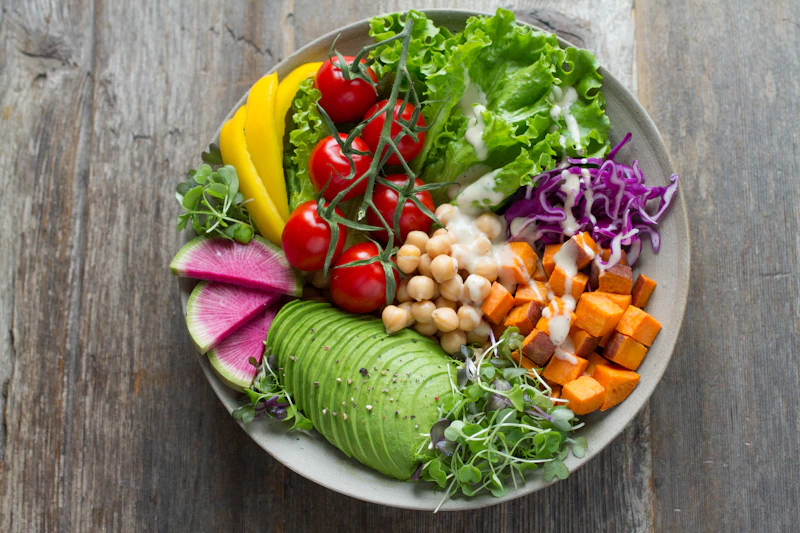
For anyone eating plant-based — whether vegan, vegetarian, lactose-intolerant, or simply reducing dairy — meeting daily calcium needs is very doable with a bit of planning. Plants offer a wide variety of calcium sources, and modern fortification makes it easier than ever.
This guide walks you through the best plant-based calcium sources, what to watch for on labels, how absorption differs by food, and how to build meals that reliably hit daily targets.
Why Plant-Based Calcium Is Both Great and a Little Trickier
Great because:
- Plants deliver calcium along with fiber, potassium, magnesium, and vitamin K — all bone-supporting nutrients
- Fortified plant milks match dairy for calcium content
- Calcium-set tofu is one of the most calcium-dense foods available
A little trickier because:
- Absorption varies by food (oxalates and phytates reduce it)
- Not all plant milks are fortified — always check the label
- Calcium is usually spread across more foods, so tracking helps
Top Plant-Based Calcium Sources
| Food | Portion | Calcium (mg) | Absorption Notes |
|---|---|---|---|
| Fortified soy milk | 1 cup | 300–450 | Excellent |
| Fortified oat milk | 1 cup | 350 | Excellent |
| Fortified almond milk | 1 cup | 300–450 | Excellent |
| Calcium-set tofu | 1/2 cup | 250–430 | Very good |
| Tempeh | 1/2 cup | 110 | Good |
| Fortified orange juice | 1 cup | 300 | Excellent |
| Fortified cereal | 1 cup | 100–1,000 | Very good |
| Collard greens (cooked) | 1 cup | 270 | Very good |
| Turnip greens (cooked) | 1 cup | 200 | Very good |
| Bok choy (cooked) | 1 cup | 160 | Very good |
| Kale (cooked) | 1 cup | 95 | Very good |
| Chia seeds | 2 tbsp | 180 | Moderate |
| Sesame seeds / tahini | 2 tbsp | 175 | Moderate |
| Almonds | 1 oz | 75 | Moderate |
| White beans (cooked) | 1 cup | 160 | Moderate |
| Blackstrap molasses | 1 tbsp | 180 | Good |
| Dried figs | 1/2 cup | 60 | Moderate |
| Edamame | 1 cup | 100 | Good |
Fortified Plant Milks
These are often the single easiest way to add 300–450 mg of calcium to a day.
- Soy milk — most similar to dairy in protein and often best calcium levels
- Oat milk — creamy, popular for coffee
- Almond milk — lower in protein but widely fortified
- Cashew milk — mild flavor, usually fortified
- Coconut milk beverage — light coconut flavor
- Pea milk — high in protein, often fortified with calcium and vitamin D
Label tip: Look for "calcium carbonate" or "tricalcium phosphate" in the ingredient list — these indicate fortification. Shake the carton before pouring.
Tofu and Soy Foods
Calcium-set tofu is one of the highest-calcium plant foods available. Check the ingredient list for "calcium sulfate" or "calcium chloride" — these are calcium sets. Nigari-set tofu is lower in calcium.
- Firm calcium-set tofu — 250–430 mg per half cup
- Tempeh — 110 mg per half cup, fermented for better absorption
- Edamame — 100 mg per cup
- Soy yogurt (fortified) — 300 mg per cup
- Miso — small amounts, but frequent use adds up
Leafy Greens
Not all greens are equal for calcium absorption. Oxalate content is the deciding factor.
High-Absorption Greens (Low Oxalate)
- Collard greens
- Turnip greens
- Mustard greens
- Bok choy
- Kale
- Napa cabbage
- Broccoli
Lower-Absorption Greens (Higher Oxalate)
- Spinach
- Swiss chard
- Beet greens
Spinach still counts — it just contributes less absorbed calcium per serving. Cooking and rinsing greens can slightly reduce oxalates.
Seeds and Nuts
- Chia seeds — 180 mg per 2 tbsp; use in puddings, smoothies, oatmeal
- Sesame seeds — 175 mg per 2 tbsp; sprinkle on salads, stir-fries, oatmeal
- Tahini — 128 mg per 2 tbsp; use in dressings, dips, sauces
- Almonds — 75 mg per ounce; snack, top salads, blend into smoothies
- Poppy seeds — 125 mg per tablespoon
- Brazil nuts — 45 mg per ounce (also rich in selenium)
- Almond butter — 55 mg per 2 tbsp
Beans and Legumes
- White beans — 160 mg per cup cooked
- Navy beans — 125 mg per cup
- Chickpeas — 80 mg per cup
- Black beans — 45 mg per cup
- Kidney beans — 60 mg per cup
- Lentils — 40 mg per cup
Soaking and rinsing dried beans reduces phytates, improving calcium absorption. Sprouting also helps.
Fortified Foods
- Fortified cereals — some deliver 1,000 mg per bowl
- Fortified instant oatmeal
- Fortified breads and tortillas
- Fortified orange juice — 300 mg per cup
- Fortified nutrition bars
- Some mineral waters (100–350 mg per liter)
Sample Plant-Based Calcium Day (~1,200 mg)
Breakfast
- 1 cup fortified oat milk in coffee (~350 mg)
- 1 cup oatmeal made with fortified soy milk topped with chia and berries (~350 mg)
Lunch
- Tofu bowl with brown rice, sautéed bok choy, and sesame seeds (~500 mg)
Snack
- Handful of almonds and dried figs (~90 mg)
Dinner
- Chickpea curry over collard greens (~350 mg)
Total: ~1,640 mg — well above the 1,000 mg target for most adults.
Meal Ideas by Category
Breakfast
- Oatmeal made with fortified plant milk + chia + berries
- Tofu scramble with kale and turmeric
- Smoothie with fortified soy milk, almond butter, and banana
- Chia pudding with fortified milk
Lunch
- Tempeh sandwich with hummus and greens
- Kale salad with white beans, tahini dressing, and sesame seeds
- Tofu bowl with roasted vegetables
- Lentil soup with collard greens
Dinner
- Tofu stir-fry with bok choy and brown rice
- Chickpea curry with sautéed greens
- Bean chili with cornbread (fortified)
- Pasta with white beans and steamed broccoli
Snacks
- Almonds and dried figs
- Fortified plant milk latte
- Hummus with vegetables
- Trail mix with sesame seeds and almonds
Cooking Tips to Boost Absorption
- Steam or lightly boil greens to reduce oxalates
- Soak and rinse beans and grains to reduce phytates
- Ferment when possible (tempeh, miso) — improves mineral bioavailability
- Pair with vitamin C (citrus, peppers) to boost mineral absorption
- Spread calcium foods across the day
- Include vitamin D sources (fortified foods or sun exposure)
Common Plant-Based Calcium Mistakes
- Assuming all plant milks are fortified
- Relying only on spinach for calcium
- Buying tofu without checking for calcium set
- Overloading calcium into one meal instead of spreading it out
- Ignoring vitamin D
References
- National Institutes of Health, Office of Dietary Supplements — Calcium Fact Sheet.
- USDA FoodData Central — Calcium in plant foods.
- Academy of Nutrition and Dietetics — Vegetarian and Vegan Nutrition.
- Bone Health & Osteoporosis Foundation — Non-Dairy Sources of Calcium.
- American Journal of Clinical Nutrition — Bioavailability of calcium from various food sources.
The Bottom Line
Plant-based calcium is more than sufficient with planning. Between fortified plant milks and juices, calcium-set tofu, low-oxalate greens (collards, kale, bok choy), seeds like chia and sesame, and beans and fortified cereals, hitting 1,000–1,200 mg per day is entirely achievable — and often comes with more fiber, magnesium, potassium, and vitamin K than a dairy-based diet.
 Google Play
 Apple Store