A low sodium diet is one of the most impactful changes you can make for your heart, blood pressure, kidneys, and long-term health. It sounds strict — but in practice, it is mostly about eating more real food and fewer heavily processed products. Once you know where sodium hides, cutting back becomes surprisingly easy.
Why Sodium Matters
Sodium is an essential mineral. Your body uses it to balance fluids, transmit nerve signals, and contract muscles. The problem is not sodium itself — it is how much most people eat. The average American consumes around 3,400 mg of sodium a day, well above recommended limits, according to the CDC.
Chronically high sodium intake is linked to:
- High blood pressure (hypertension)
- Increased risk of stroke and heart disease
- Fluid retention and swelling
- Higher urinary calcium levels and kidney stone risk
- Extra strain on the kidneys, especially in chronic kidney disease
How Much Sodium Do You Actually Need?
| Group | Daily Sodium Target |
|---|---|
| General adults (Dietary Guidelines) | Under 2,300 mg |
| People with high blood pressure (AHA ideal) | Under 1,500 mg |
| Kidney stone formers | 1,500–2,300 mg (individualized) |
| Heart failure or advanced CKD | Set by your medical team |
For most people, moving from 3,400 mg down toward 2,000 mg produces meaningful benefits — even if you never hit a stricter target.
Where Sodium Actually Comes From
Contrary to popular belief, most sodium in the American diet does not come from the salt shaker. According to the CDC, more than 70% of dietary sodium comes from packaged foods and restaurant meals. Common culprits:
- Bread and rolls (small amounts add up quickly)
- Deli meats and cured meats (ham, bacon, sausage)
- Canned soups, broths, and sauces
- Pizza and frozen entrees
- Cheese, especially processed cheese
- Chips, pretzels, crackers, and salted snacks
- Restaurant and fast food meals
- Condiments (soy sauce, ketchup, salad dressing)
- Instant noodles and boxed side dishes
Foods to Enjoy on a Low Sodium Diet
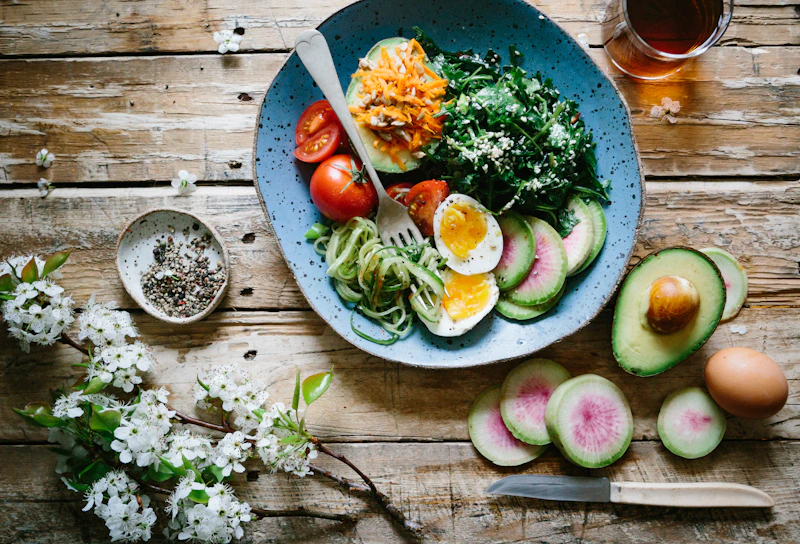
A low sodium plate looks a lot like a healthy plate: mostly whole, minimally processed foods. Good staples:
- Fresh or frozen vegetables (no added salt)
- Fresh fruit
- Fresh, unprocessed meats, poultry, and fish
- Eggs
- Dried or "no salt added" canned beans, lentils, and peas
- Whole grains (oats, brown rice, plain barley, quinoa)
- Unsalted nuts and seeds
- Milk, plain yogurt, and lower-sodium cheeses in moderation
- Herbs, spices, garlic, onion, citrus, vinegar
Foods to Limit
- Bacon, sausage, hot dogs, ham, deli meats
- Canned soups and broths unless labeled low-sodium
- Frozen pizza and frozen dinners
- Instant ramen, boxed pasta and rice mixes
- Salted chips, crackers, and pretzels
- Soy sauce, teriyaki, and most bottled sauces
- Fast food and salty restaurant meals
- Salted, brined, or pickled foods (in large amounts)
How to Read a Nutrition Label
Focus on two numbers on the Nutrition Facts panel:
- Sodium (mg per serving.) Compare to your daily target and remember to multiply by the number of servings you actually eat.
- % Daily Value (%DV). A rough rule of thumb: 5% DV or less per serving is low, 20% DV or more is high.
Also watch the ingredient list for sneaky sodium sources:
- Monosodium glutamate (MSG)
- Sodium bicarbonate
- Sodium nitrate/nitrite
- Sodium benzoate
- Sodium phosphate
- Disodium anything
- Baking soda / baking powder (in baked goods)
Sodium Label Terms — What They Really Mean
| Label Claim | Meaning (per serving) |
|---|---|
| Sodium-free | Less than 5 mg |
| Very low sodium | 35 mg or less |
| Low sodium | 140 mg or less |
| Reduced sodium | At least 25% less than the original product |
| Light in sodium | At least 50% less than the original |
| No salt added / Unsalted | No salt added during processing (but food may still contain natural sodium) |
Eating Out on a Low Sodium Diet
Restaurant meals are one of the biggest sources of hidden sodium. Simple strategies:
- Ask for sauces, dressings, and cheese on the side
- Request that food be prepared without added salt when possible
- Choose grilled, baked, roasted, or steamed dishes over fried or breaded
- Skip the bread basket or use it sparingly
- Watch for sneaky items: soy sauce, teriyaki, gravy, cured meats, cheese-heavy dishes, and pickled toppings
- When possible, check nutrition information online before you go
Simple Swaps That Cut Sodium Fast
- Fresh chicken breast instead of deli turkey
- Homemade oatmeal instead of instant flavored oatmeal packets
- Air-popped popcorn (light salt or unsalted) instead of chips
- Homemade soup with low-sodium broth instead of canned
- Fresh salsa or pico de gallo instead of bottled condiments
- Herbs, lemon, and garlic instead of table salt
Building a Sample Low Sodium Day
Below is one example of a balanced low sodium day (approximate totals; individual foods vary):
- Breakfast: Oatmeal with berries, walnuts, and a splash of milk (~150 mg sodium)
- Lunch: Grilled chicken salad with olive oil, lemon, and fresh vegetables; whole-grain crackers (~500 mg)
- Snack: Apple and a small handful of unsalted almonds (~10 mg)
- Dinner: Baked salmon, roasted potatoes, and steamed green beans seasoned with garlic and lemon (~400 mg)
- Evening: Plain Greek yogurt with honey and berries (~65 mg)
Total: comfortably under 1,500–2,000 mg for the day, while still delivering flavor and nutrients.
Common Mistakes to Avoid
- Switching salt shakers instead of switching foods
- Assuming "healthy" or "organic" always means low sodium
- Forgetting to multiply per-serving numbers by the actual serving size
- Cutting sodium too aggressively without adjusting flavor — leading to burnout
- Ignoring beverages: some sports drinks, tomato juices, and vegetable juices are surprisingly salty
Trusted Resources
- American Heart Association (AHA)
- Centers for Disease Control and Prevention (CDC)
- National Kidney Foundation (NKF)
- Academy of Nutrition and Dietetics
- Dietary Guidelines for Americans
The Bottom Line
A low sodium diet is not about giving up flavor — it is about giving your kidneys, heart, and blood vessels a break from constant overload. Focus on real foods, read labels, cook more at home, and let herbs, spices, and citrus do the work salt used to do. Small, consistent changes add up quickly.
 Google Play
 Apple Store