Sodium is one of the most talked-about, most confusing nutrients in modern nutrition. It is essential for life — but most people get far more than they need, and the excess is quietly driving up blood pressure, straining kidneys, and increasing the risk of heart disease.
This guide breaks sodium down in plain English: what it does, how much you actually need, where it hides, and how to lower your intake without giving up flavor or convenience.
What Is Sodium and What Does It Do?
Sodium is an essential mineral found naturally in many foods and added to many others as salt (sodium chloride). Your body uses sodium to:
- Regulate fluid balance in and around cells
- Support nerve signal transmission
- Enable muscle contraction, including your heart
- Help maintain healthy blood pressure
- Assist in nutrient absorption in the intestines
The catch: your body needs only a very small amount to do all of this. Just 500 mg of sodium per day — about a quarter teaspoon of salt — meets basic needs.
How Much Sodium Do We Actually Eat?
Most Americans consume about 3,400 mg of sodium per day, according to CDC data. That is well above every major health target. And most people underestimate how much sodium is in their meals.
| Guideline | Daily Sodium Target |
|---|---|
| Bare minimum needed | ~500 mg |
| Dietary Guidelines for Americans | Under 2,300 mg |
| American Heart Association ideal | Under 1,500 mg |
| Kidney stone formers | 1,500–2,300 mg (personalized) |
| Advanced kidney disease / heart failure | Set by care team |
How Sodium Affects Your Health
Blood Pressure
Sodium pulls water into your bloodstream. More sodium means more fluid volume — and higher blood pressure. Studies consistently show that reducing sodium lowers blood pressure, especially in people who are salt-sensitive, older, Black, or already have hypertension.
Heart and Blood Vessels
Chronic high blood pressure damages arteries, raises the risk of heart attack and stroke, and forces the heart to work harder. Lowering sodium is one of the most effective non-drug ways to reduce cardiovascular risk.
Kidneys
The kidneys filter sodium out of the blood. Too much sodium raises calcium excretion, which can contribute to kidney stones, and over time increases the workload on the kidneys — especially in people already living with kidney disease.
Bone Health
High-sodium diets increase urinary calcium loss. Over years, that can affect bone density, particularly in postmenopausal women.
Stomach Health
Very high sodium intake is associated with a higher risk of stomach cancer and ulcers, likely from irritation of the stomach lining and interactions with H. pylori bacteria.
Where Sodium Actually Hides
According to the CDC, more than 70% of sodium in the American diet comes from packaged foods and restaurant meals — not from the salt shaker. The biggest contributors:
- Breads, rolls, and tortillas
- Pizza
- Sandwiches (fast food and homemade)
- Cold cuts and cured meats
- Soups (canned and restaurant)
- Burritos and tacos
- Savory snacks (chips, crackers, pretzels)
- Chicken dishes (often brined)
- Cheese
- Eggs and omelets from restaurants
- Sauces, gravies, and dressings
The "Salty Six" and Beyond
The American Heart Association's "Salty Six" — foods that contribute the most to daily sodium intake:
- Breads and rolls
- Cold cuts and cured meats
- Pizza
- Poultry
- Soups
- Sandwiches
Sodium in Common Foods
| Food | Portion | Approx Sodium |
|---|---|---|
| Frozen dinner | 1 meal | 800–1,800 mg |
| Canned soup | 1 cup | 500–900 mg |
| Deli turkey | 2 oz | 450–700 mg |
| Slice of pizza | 1 slice | 600–900 mg |
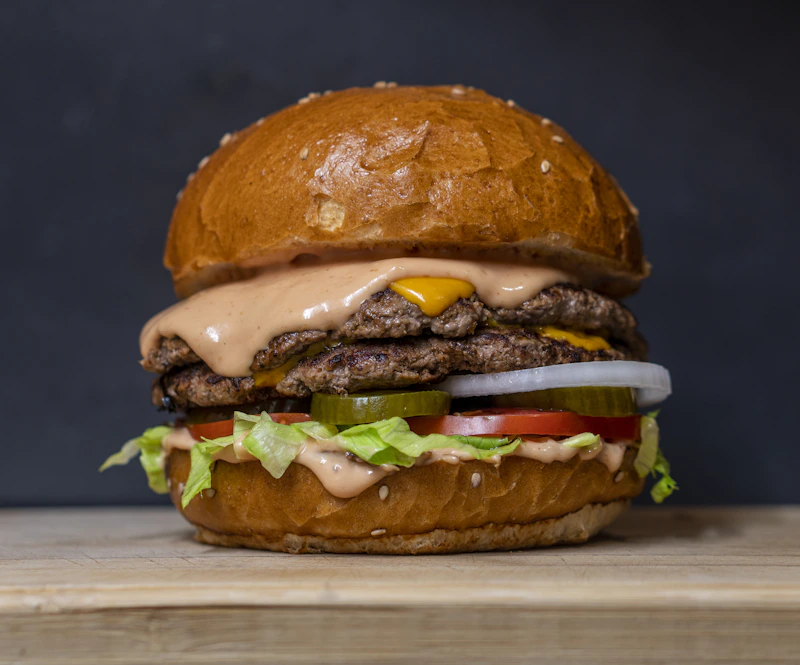
| Fast food burger | 1 sandwich | 900–1,500 mg |
| Bread (sliced) | 1 slice | 120–230 mg |
| Cheddar cheese | 1 oz | 180 mg |
| Soy sauce | 1 tbsp | 900+ mg |
| Ketchup | 1 tbsp | 150 mg |
| Salted butter | 1 tbsp | 90 mg |
| Fresh chicken breast | 4 oz | 75 mg |
| Fresh vegetables | 1 cup | Under 25 mg |
Types of Salt and Sodium Additives
- Table salt: Refined sodium chloride, often iodized.
- Kosher salt: Larger crystals; per teaspoon slightly less sodium, but by weight essentially the same.
- Sea salt: Same sodium as table salt with tiny mineral variations.
- Himalayan pink salt: Same sodium as table salt; marketed for trace minerals.
- Baking soda / baking powder: Contain sodium.
- Monosodium glutamate (MSG): Contains sodium; often used in Asian cuisine and processed snacks.
- Sodium nitrate/nitrite: Used in cured meats.
- Sodium benzoate: Preservative.
- Sodium phosphate: Common in processed cheese and meats.
Practical Ways to Lower Sodium
1. Cook More Meals at Home
Home cooking gives you full control. Even simple meals can dramatically lower your sodium footprint compared to equivalent packaged or restaurant versions.
2. Read Labels Every Time
Focus on the sodium value per serving and check the number of servings you actually eat. Aim for foods with 5% Daily Value (DV) or less per serving; avoid foods with 20% DV or more when possible. See our nutrition label guide.
3. Rinse Canned Foods
Rinsing canned beans, tuna, or vegetables under cool water for 30 seconds can remove up to 40% of the sodium. Pair with "no salt added" versions whenever possible.
4. Choose Fresh or Frozen Over Canned or Cured
- Fresh chicken instead of deli turkey
- Plain frozen vegetables instead of seasoned or sauced versions
- Fresh salsa instead of jarred sauces
- Homemade soup with low-sodium broth
5. Season Without Salt
- Herbs (basil, oregano, thyme, rosemary)
- Spices (paprika, cumin, black pepper, cinnamon)
- Citrus (lemon, lime, orange zest)
- Garlic and onion (fresh or powder)
- Vinegar (balsamic, apple cider, rice)
- Mustard (Dijon, whole-grain — check labels)
- Salt-free seasoning blends
6. Beware Restaurant Meals
A single restaurant meal often contains a full day's worth of sodium. Tactics that help:
- Ask for sauces and dressings on the side
- Request no added salt in cooking
- Split entrees or take half home
- Look up nutrition information ahead of time
- Skip pickles, olives, cured meats, and processed cheeses on sandwiches
A Sample Lower-Sodium Day
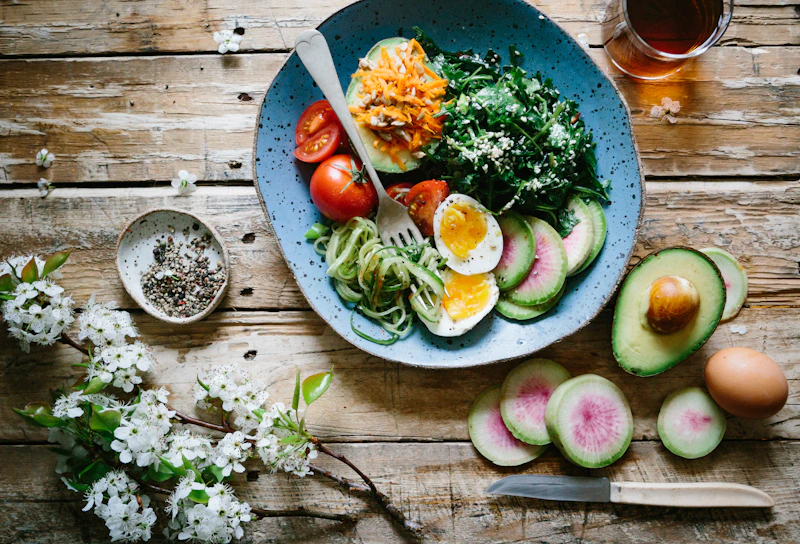
- Breakfast: Oatmeal with milk, berries, and a small drizzle of honey; fresh orange; large glass of water.
- Mid-morning: Apple with a small handful of unsalted almonds.
- Lunch: Grilled chicken salad with mixed greens, cucumber, tomato, olive oil and lemon dressing; sparkling water.
- Afternoon: Plain yogurt with fresh fruit.
- Dinner: Baked salmon with lemon, brown rice, roasted zucchini and bell peppers; lemon water.
- Evening: Herbal tea and a small piece of dark chocolate.
Approximate sodium: comfortably under 2,000 mg — with real, satisfying meals.
Common Sodium Myths
- "Sea salt is healthier." Same sodium content by weight as table salt.
- "I don't add salt, so I'm fine." Most sodium comes from packaged and restaurant food, not the shaker.
- "Only people with high blood pressure need to worry." High-sodium diets raise risk over decades — starting early matters.
- "Low sodium equals bland." With herbs, citrus, and technique, flavor gets stronger, not weaker.
- "Athletes need more salt." Most casual exercisers do not need extra. Only intense, prolonged heat exposure warrants strategic sodium.
Who Needs to Watch Sodium Most Closely
- People with high blood pressure or a family history of hypertension
- People with heart failure or coronary artery disease
- People with chronic kidney disease
- Kidney stone formers
- People with type 2 diabetes
- Older adults
- Anyone taking corticosteroids or medications that retain sodium
References
- Centers for Disease Control and Prevention — Sodium and the Dietary Guidelines.
- American Heart Association — How Much Sodium Should I Eat Per Day?
- National Institutes of Health / National Heart, Lung, and Blood Institute — DASH Eating Plan.
- U.S. Food and Drug Administration — Sodium in Your Diet.
- National Kidney Foundation — Sodium and Your Kidneys.
- Dietary Guidelines for Americans, 2020–2025.
The Bottom Line
Sodium is essential — but almost everyone gets far more than they need. Lowering it does not require bland food or extreme rules; it requires paying attention to labels, cooking at home more often, and relying on herbs, citrus, and technique instead of salt. Small daily changes protect your blood pressure, kidneys, and heart for decades to come.
 Google Play
 Apple Store