When people think about kidney stones and diet, they usually think about oxalate, calcium, or hydration. Sodium rarely gets top billing — yet it is one of the most consistent, science-backed levers you can pull to lower your risk of forming new stones.
In this guide, we cover exactly how sodium affects kidney stone formation, how much is too much, where sodium actually hides in the modern diet, and how to cut back in practical, everyday ways.
How Sodium Actually Contributes to Kidney Stones
Sodium and calcium share a common pathway in the kidneys. When you eat a lot of sodium, your kidneys excrete more sodium into the urine — and they carry calcium along with it. The result is a rise in urinary calcium, one of the strongest drivers of calcium-based kidney stone formation.
Higher urinary calcium combined with:
- Low urine volume (dehydration)
- High urinary oxalate
- Low urinary citrate (a natural inhibitor)
... is the classic recipe for calcium oxalate and, in some cases, calcium phosphate stones.
How Much Sodium Is Too Much?
| Group | Daily Sodium Target |
|---|---|
| General adult population (Dietary Guidelines) | Under 2,300 mg |
| Ideal target (AHA) | Under 1,500 mg |
| Kidney stone formers | Usually 1,500–2,300 mg (personalized) |
| Heart failure or advanced kidney disease | Set by medical team |
Average American sodium intake is around 3,400 mg per day — well above these targets. Moving from that average toward 2,000 mg has meaningful benefits for both blood pressure and kidney stone risk.
Where Sodium Hides in the Modern Diet
Contrary to popular belief, most sodium does not come from the salt shaker. According to the CDC, over 70% of dietary sodium comes from packaged foods and restaurant meals. Common top offenders:
- Bread and rolls
- Deli meats and cured meats (ham, bacon, sausage)
- Pizza
- Canned soups and broths
- Sandwiches (fast food and made-to-order)
- Sauces, dressings, and condiments
- Chips, pretzels, and crackers
- Frozen entrees
- Cheese, especially processed cheese
- Restaurant and takeout food
Reading Labels Like a Pro
Focus on two numbers on the Nutrition Facts panel:
- Sodium (mg per serving). Multiply by the actual number of servings you eat.
- % Daily Value. 5% or less per serving = low; 20% or more = high.
Watch for these sodium-containing ingredients:
- Monosodium glutamate (MSG)
- Sodium bicarbonate
- Sodium nitrate/nitrite
- Sodium benzoate
- Sodium phosphate
- Baking soda and baking powder
Sodium Label Terms Explained
| Label Claim | What It Means (per serving) |
|---|---|
| Sodium-free | Less than 5 mg |
| Very low sodium | 35 mg or less |
| Low sodium | 140 mg or less |
| Reduced sodium | At least 25% less than the original |
| No salt added | No salt added in processing (natural sodium may still be present) |
Practical Ways to Cut Sodium for Stone Prevention
1. Cook More at Home
Home cooking gives you full control over sodium. Even simple meals — grilled chicken, rice, roasted vegetables — often contain a fraction of the sodium in equivalent restaurant meals.
2. Choose Fresh or Frozen (No Added Salt)
Fresh and plain frozen fruits and vegetables are naturally low in sodium. When buying canned goods, look for "no salt added" or "low sodium" versions.
3. Swap Salty Staples for Lower-Sodium Alternatives
- Fresh chicken instead of deli turkey
- Homemade soup with low-sodium broth instead of canned
- Air-popped popcorn instead of chips
- Fresh salsa instead of jarred sauces
- Herbs, garlic, and citrus instead of table salt
4. Watch Restaurant Meals
Restaurant food is often the single biggest sodium source. Practical strategies include:
- Ordering sauces and dressings on the side
- Requesting your food prepared without added salt
- Choosing grilled, baked, or steamed over fried
- Skipping the bread basket or eating less of it
- Checking nutrition information online before ordering
5. Rebuild Your Palate
Taste buds adjust in about two to four weeks. Foods that once seemed bland will start to taste more flavorful, and salty foods will begin to taste too salty.
Sample Lower-Sodium Day for Stone Prevention
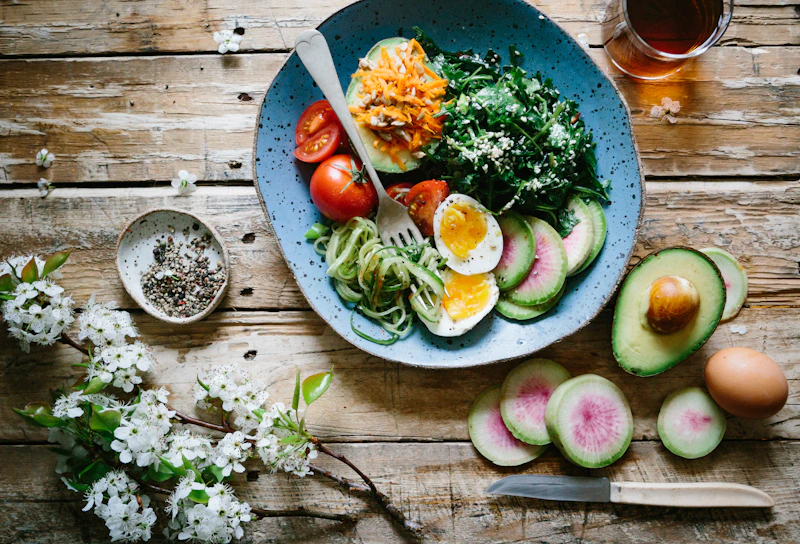
- Breakfast: Oatmeal with milk, blueberries, and walnuts; coffee; large glass of water.
- Mid-morning: Apple; water.
- Lunch: Grilled chicken salad with mixed greens, cucumber, tomato, olive oil and lemon dressing; whole-grain roll; sparkling water.
- Afternoon: Plain yogurt with fresh berries; water.
- Dinner: Baked salmon, brown rice, roasted zucchini and bell peppers seasoned with garlic and herbs; lemon water.
- Evening: Herbal tea; a small piece of cheese with pear slices.
Approximate sodium: comfortably under 2,000 mg, with plenty of variety and flavor.
How Sodium Interacts With Other Stone-Prevention Nutrients
Sodium and Calcium
The classic pairing. High sodium raises urinary calcium; low sodium lowers it. That is why cutting sodium is often more effective than cutting calcium.
Sodium and Citrate
Very high-sodium diets can lower urinary citrate, one of your natural stone inhibitors. Cutting sodium and eating plenty of fruits and vegetables raises citrate.
Sodium and Fluid
High-sodium diets often lead to feeling thirsty for salty drinks or sugary beverages. A lower-sodium approach makes it easier to hydrate with water throughout the day.
Common Mistakes to Avoid
- Switching to sea salt or "gourmet" salts and expecting a benefit
- Assuming that "healthy" or "organic" foods are automatically low in sodium
- Forgetting to multiply per-serving sodium by the number of servings you actually eat
- Overlooking condiments — soy sauce, ketchup, and salad dressings add up fast
- Cutting sodium too aggressively without flavor strategies, leading to burnout
References
- National Kidney Foundation — Sodium and Kidney Stones.
- National Institute of Diabetes and Digestive and Kidney Diseases (NIDDK / NIH) — Diet for Kidney Stone Prevention.
- Mayo Clinic — Kidney Stones and Salt Intake.
- American Heart Association — How Much Sodium Should I Eat Per Day?
- Centers for Disease Control and Prevention — Sources of Sodium in the American Diet.
- American Urological Association — Medical Management of Kidney Stones Guideline.
The Bottom Line
Sodium is one of the most overlooked yet powerful factors in kidney stone prevention. Lowering it can reduce urinary calcium, raise citrate, and support hydration — all major wins for stone risk. Focus on real, minimally processed foods, watch labels, cook more at home, and let herbs, citrus, and spices do the work salt used to do.
 Google Play
 Apple Store