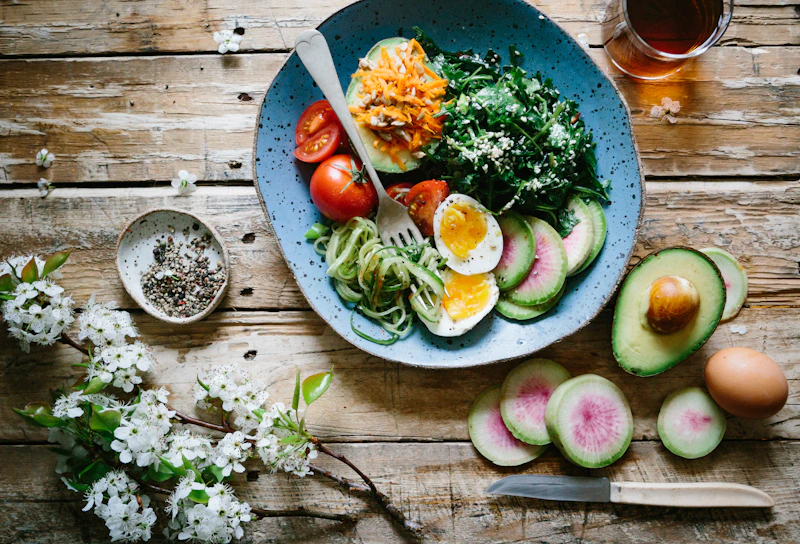
The DASH diet is one of the most studied and consistently recommended eating patterns in modern nutrition. It is not a fad. It is the diet developed by the National Institutes of Health specifically to lower blood pressure — and it works.
In this guide, you will learn what DASH actually is, how much of each food group to eat, how it lowers blood pressure, and how to build it into your daily life without feeling deprived.
What Is the DASH Diet?
DASH stands for Dietary Approaches to Stop Hypertension. It was developed by the National Heart, Lung, and Blood Institute (NHLBI) in the 1990s after research showed that a specific eating pattern could lower blood pressure significantly — sometimes as much as blood pressure medication.
DASH emphasizes:
- Vegetables and fruits
- Whole grains
- Low-fat or fat-free dairy
- Lean protein (fish, poultry, beans, nuts)
- Healthy fats (olive oil, avocado)
And limits:
- Sodium
- Added sugars and sugary drinks
- Red and processed meats
- Saturated fats
DASH Daily and Weekly Servings
Servings for a ~2,000-calorie DASH plan:
| Food Group | Daily Servings | Serving Size Examples |
|---|---|---|
| Vegetables | 4–5 | 1 cup raw leafy, 1/2 cup cooked |
| Fruits | 4–5 | 1 medium fruit, 1/2 cup fresh |
| Whole grains | 6–8 | 1 slice bread, 1/2 cup cooked grain |
| Low-fat dairy | 2–3 | 1 cup milk, 1 cup yogurt, 1.5 oz cheese |
| Lean meat, poultry, fish | 6 oz or less | 1 oz cooked |
| Nuts, seeds, legumes | 4–5 per week | 1/3 cup nuts, 2 tbsp seeds, 1/2 cup beans |
| Fats and oils | 2–3 | 1 tsp olive oil, 1 tbsp mayo |
| Sweets and added sugars | 5 or fewer per week | 1 tbsp sugar, 1/2 cup sorbet |
Two Versions of DASH
Standard DASH
Under 2,300 mg of sodium per day. Suits most healthy adults.
Lower Sodium DASH
Under 1,500 mg per day. Recommended for people with high blood pressure, kidney concerns, or those aiming for maximum blood pressure benefit.
How DASH Lowers Blood Pressure
DASH works through several complementary mechanisms:
- Lower sodium reduces fluid retention and vascular pressure
- Higher potassium from produce helps the kidneys excrete sodium
- Higher magnesium and calcium support healthy blood vessels
- More fiber supports weight, blood sugar, and cholesterol control
- Less saturated fat and added sugar improves cardiovascular risk factors
Clinical trials show DASH can lower systolic blood pressure by up to 11 mmHg in people with hypertension — comparable to some medications, without side effects.
Beyond Blood Pressure: Other DASH Benefits
- Lower LDL cholesterol
- Reduced risk of type 2 diabetes
- Lower risk of stroke
- Better weight management
- Possible reduction in kidney stone risk
- Improved insulin sensitivity
- Lower risk of certain cancers
Foods to Emphasize on DASH
Vegetables
Aim for a wide variety of colors — leafy greens, cruciferous vegetables, red and orange vegetables, and starchy vegetables in moderation.
Fruits
Fresh, frozen, or canned in juice/water. Whole fruit is preferred over juice for most meals.
Whole Grains
Oats, brown rice, whole-wheat bread and pasta, quinoa, barley. At least half of your daily grains should be whole.
Low-Fat Dairy
Milk, plain yogurt, cottage cheese. Provides calcium and potassium — key DASH nutrients.
Lean Protein
- Chicken and turkey (skinless)
- Fish, especially fatty fish twice weekly
- Eggs
- Beans and lentils
- Tofu and other soy foods
Nuts, Seeds, and Legumes
Small daily servings of unsalted nuts, seeds, and beans. Great sources of magnesium, potassium, and healthy fats.
Healthy Fats
Olive oil, avocado, nuts, seeds, and fatty fish.
Foods to Limit
- Cured and processed meats (bacon, sausage, deli meats)
- Canned soups and instant noodles
- Frozen entrees and packaged meals
- Salty snacks (chips, pretzels, crackers)
- Sweetened beverages (soda, sweet tea, sports drinks)
- Full-fat cheese in large amounts
- Butter and fatty red meats in large amounts
Sample DASH Day (~2,000 Calories)
- Breakfast: Oatmeal made with milk, topped with blueberries and a light drizzle of honey; small glass of orange juice; coffee.
- Mid-morning: Plain yogurt with fresh strawberries; water.
- Lunch: Turkey and avocado sandwich on whole-grain bread with lettuce, tomato, cucumber; small side salad with olive oil and vinegar; apple; sparkling water.
- Afternoon: Small handful of unsalted almonds and grapes.
- Dinner: Baked salmon, brown rice, roasted broccoli and bell peppers, mixed green salad with lemon dressing; lemon water.
- Evening: Herbal tea; small piece of dark chocolate.
Getting Started With DASH
Week 1
- Add one extra serving of vegetables and one of fruit each day
- Switch to whole-grain bread and pasta
- Include one plant-based meal
Week 2
- Cook one homemade meal to replace a takeout meal
- Introduce low-fat dairy at breakfast
- Start reading nutrition labels — see our label guide
Week 3
- Reduce salty snacks; keep unsalted nuts, fruit, and yogurt handy
- Include fatty fish (salmon, tuna, sardines) twice this week
- Swap butter for olive oil in cooking
Week 4
- Track sodium for a few days to spot high-sodium habits
- Batch-cook grains, beans, and roasted vegetables for the week
- Introduce salt-free seasoning blends
DASH for Specific Groups
People With High Blood Pressure
Consider the lower-sodium version. Combined with weight management and activity, it often reduces or delays the need for medication.
People With Kidney Disease
DASH may need modification. Potassium and phosphorus intake can be higher than desired for advanced kidney disease. Work with a renal dietitian for a personalized version. See our kidney-friendly eating guide.
People With Diabetes
DASH’s emphasis on whole grains, produce, lean protein, and low added sugar aligns well with diabetes-friendly eating.
People With Kidney Stones
DASH is one of the most studied eating patterns for reducing kidney stone risk — thanks to its low sodium, high produce, and reasonable protein.
Common Mistakes to Avoid
- Focusing only on sodium and ignoring the produce, whole grains, and dairy pieces
- Skipping planning — DASH is easiest with a stocked kitchen and a rough menu
- Believing "healthy" packaged foods are automatically DASH-friendly
- Ignoring portion sizes even for healthy foods
- Trying to change everything overnight
References
- National Heart, Lung, and Blood Institute (NIH) — DASH Eating Plan.
- American Heart Association — DASH Diet for Heart Health.
- Dietary Guidelines for Americans, 2020–2025.
- Centers for Disease Control and Prevention — High Blood Pressure Facts.
- Mayo Clinic — DASH Diet: Healthy Eating to Lower Your Blood Pressure.
- National Kidney Foundation — Diet and Chronic Kidney Disease.
The Bottom Line
The DASH diet is not restrictive — it is one of the most flexible, sustainable, and evidence-backed eating patterns available. By emphasizing produce, whole grains, dairy, and lean protein while keeping sodium moderate, DASH lowers blood pressure and supports heart and kidney health for a lifetime.
 Google Play
 Apple Store