Sodium is not usually where you expect it. Most Americans eat 3,000–4,000 mg of sodium per day — well above the 2,300 mg limit recommended for adults. The reason is not the salt shaker: about 70% of sodium comes from packaged, processed, and restaurant foods, many of which do not taste especially salty.
This guide walks you through the highest-sodium foods, category by category, with real numbers, surprising offenders, and practical swaps.
The "Salty Six" and Beyond
The American Heart Association identified the "Salty Six" — the top sources of sodium in the American diet:
- Breads and rolls
- Pizza
- Sandwiches
- Cold cuts and cured meats
- Soups
- Burritos and tacos
Newer analyses expand the list to include chicken (especially processed or brined), cheese, eggs and omelets (restaurant preparations), and savory snacks.
Bread and Baked Goods
Bread doesn't taste salty, but a couple slices can add 300–500 mg of sodium quickly.
| Food | Portion | Approx Sodium |
|---|---|---|
| White or wheat bread | 1 slice | 180–230 mg |
| Bagel | 1 large | 400–500 mg |
| English muffin | 1 | 200–300 mg |
| Croissant | 1 | 300 mg |
| Biscuit | 1 | 500–700 mg |
| Muffin (bakery) | 1 large | 400 mg |
| Pancake mix (prepared) | 2 pancakes | 400–600 mg |
| Pizza dough | 1 slice | 350–500 mg |
Cured Meats and Deli
Cured, smoked, and processed meats are among the very highest-sodium foods.
| Food | Portion | Approx Sodium |
|---|---|---|
| Ham | 2 oz | 700–900 mg |
| Bacon | 3 strips | 400–600 mg |
| Deli turkey | 2 oz | 450–700 mg |
| Deli roast beef | 2 oz | 500–700 mg |
| Salami | 1 oz | 500 mg |
| Pepperoni | 1 oz | 500 mg |
| Sausage | 1 link | 400 mg |
| Hot dog | 1 | 500–700 mg |
| Prosciutto | 1 oz | 1,100 mg |
Cheese
Not all cheese is equal. Small amounts of lower-sodium cheeses are fine most days.
| Cheese | Portion | Approx Sodium |
|---|---|---|
| American slice (processed) | 1 slice | 350–450 mg |
| Feta | 1 oz | 320 mg |
| Blue cheese | 1 oz | 380 mg |
| Parmesan (grated) | 1 tbsp | 85 mg |
| Cheddar | 1 oz | 180 mg |
| Mozzarella (part-skim) | 1 oz | 175 mg |
| Swiss | 1 oz | 50 mg |
| Ricotta | 1/4 cup | 65 mg |
| Cottage cheese (regular) | 1 cup | 700–900 mg |
Soups, Broths, and Canned Goods
| Food | Portion | Approx Sodium |
|---|---|---|
| Canned soup | 1 cup | 700–900 mg |
| Bouillon cube | 1 | 800–1,200 mg |
| Regular broth | 1 cup | 800 mg |
| Canned tomato sauce | 1/2 cup | 400–500 mg |
| Canned beans (regular) | 1/2 cup | 400 mg |
| Canned tuna in oil | 3 oz | 300 mg |
| Canned vegetables | 1/2 cup | 250–350 mg |
Frozen and Convenience Foods
| Food | Portion | Approx Sodium |
|---|---|---|
| Frozen dinner | 1 meal | 800–1,800 mg |
| Frozen pizza | 1/4 pizza | 700–900 mg |
| Frozen breakfast sandwich | 1 | 700–900 mg |
| Boxed macaroni & cheese | 1 cup prepared | 700–800 mg |
| Pasta helper mix | 1 cup prepared | 800–1,200 mg |
| Instant noodles (with seasoning) | 1 packet | 1,200–1,800 mg |
| Frozen breaded chicken | 3 pieces | 500 mg |
Sauces, Dressings, and Condiments
| Food | Portion | Approx Sodium |
|---|---|---|
| Soy sauce | 1 tbsp | 900–1,000 mg |
| Teriyaki sauce | 1 tbsp | 600 mg |
| Ketchup | 1 tbsp | 150–200 mg |
| Barbecue sauce | 2 tbsp | 300–400 mg |
| Ranch dressing | 2 tbsp | 250 mg |
| Italian dressing | 2 tbsp | 350 mg |
| Salsa | 2 tbsp | 150 mg |
| Pickles | 1 spear | 250 mg |
| Olives | 10 | 350 mg |
Restaurant and Fast Food
| Meal | Approx Sodium |
|---|---|
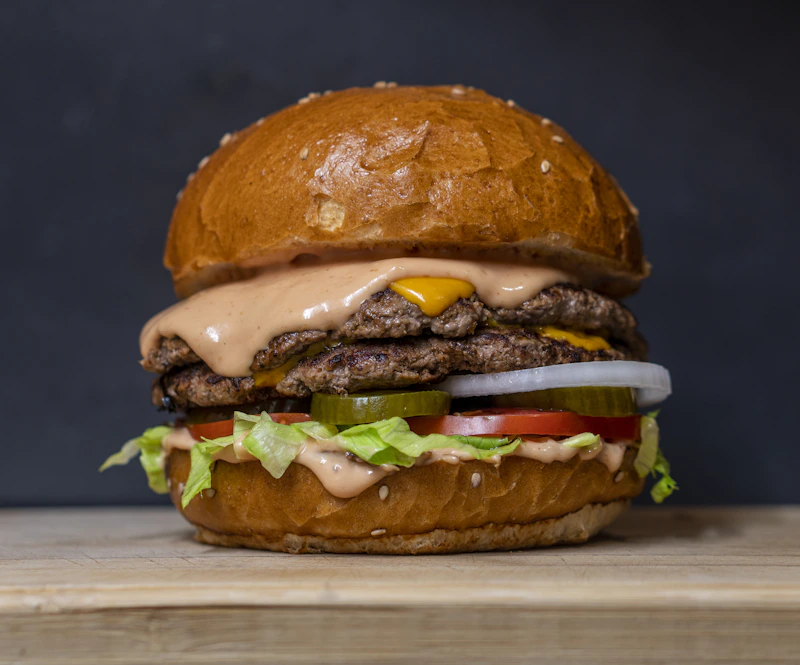
| Fast food cheeseburger + fries | 1,500–2,000 mg |
| Chicken sandwich (chain) | 1,200–1,900 mg |
| Breakfast burrito | 1,200–1,800 mg |
| Chinese takeout entree | 1,500–3,000 mg |
| Deli sub sandwich | 1,200–2,000 mg |
| Restaurant pasta with meat sauce | 1,500–2,500 mg |
| Pizza (2 slices, delivery) | 1,200–1,800 mg |
"Hidden" Sodium Foods That Surprise People
- Breakfast cereal — up to 300 mg per cup
- Cottage cheese — up to 900 mg per cup
- Sports drinks — 150–300 mg per bottle
- Sweet baked goods — muffins and pastries can have 300–500 mg each
- Rotisserie chicken — often brined; 400–600 mg per 4 oz
- Vegetable juice — 400–500 mg per cup
- Marinated meats and seasoned "fresh" chicken
- Antacids and effervescent supplements
Sodium Hiding in Ingredient Lists
Sodium-based additives show up under many names:
- Salt / sodium chloride
- MSG (monosodium glutamate)
- Sodium nitrate / sodium nitrite (cured meats)
- Sodium phosphate
- Sodium bicarbonate (baking soda)
- Sodium benzoate (preservative)
- Sodium caseinate
- Baking powder
- Disodium phosphate
- Sodium citrate
How to Reduce High-Sodium Foods in Your Life
- Identify your top 3 sources. Track a week and find where sodium is coming from.
- Swap the biggest offenders first. One change per week beats trying to fix everything at once.
- Cook more meals at home. Even a few home-cooked dinners per week cut hundreds of mg.
- Choose "no salt added" and "low sodium" packaged goods.
- Rinse canned foods. Draining and rinsing canned beans reduces sodium by up to 40%.
- Balance the day. If lunch is higher, keep breakfast and dinner very low.
- Focus on frequency and portions. A single slice of pizza is a treat; the whole box is a problem.
References
- American Heart Association — The Salty Six.
- Centers for Disease Control and Prevention — Top 10 Sources of Sodium.
- U.S. Food and Drug Administration — Sodium in Your Diet.
- National Institutes of Health — DASH Eating Plan.
- Academy of Nutrition and Dietetics — Reducing Sodium Intake.
- Dietary Guidelines for Americans, 2020–2025.
The Bottom Line
High-sodium foods are everywhere, but they cluster in a few predictable categories: cured meats, breads, cheeses, canned soups, frozen meals, packaged snacks, and restaurant food. Once you know where the sodium hides, you can trim hundreds of milligrams a day without giving up meals you enjoy — you simply make smarter choices in the aisles and at the table.
 Google Play
 Apple Store