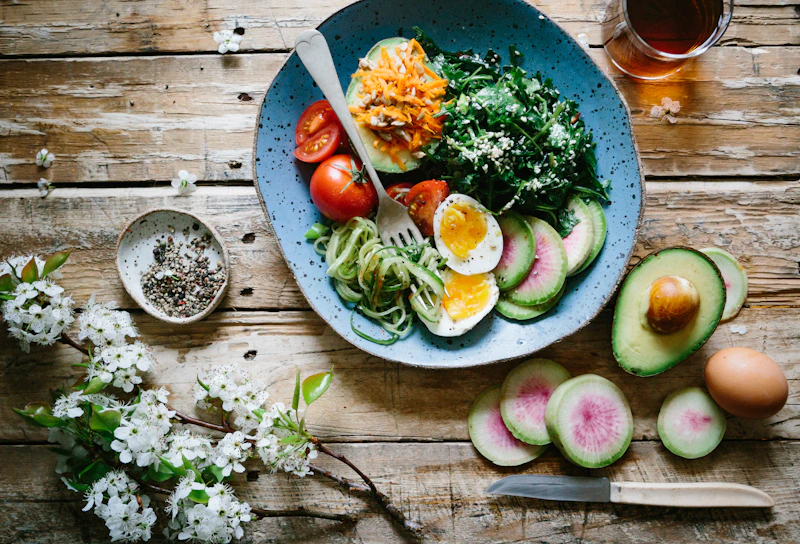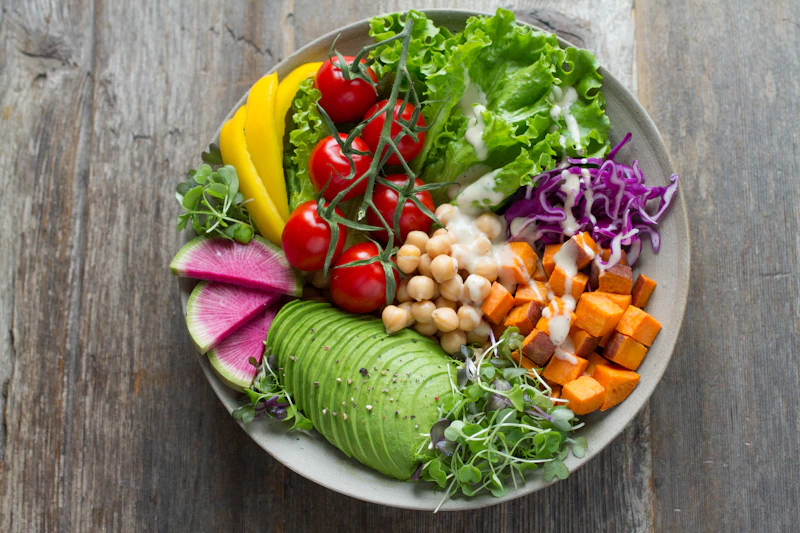
Lower-sodium eating gets much easier when you build your plate around foods that are naturally low in sodium to begin with. The good news: most whole, unprocessed foods contain very little sodium — often under 100 mg per serving. Sodium usually enters the picture only when foods are processed, packaged, brined, or cured.
This guide is your reference list of naturally low-sodium foods, category by category, with real sodium values and simple meal ideas.
Sodium Definitions to Keep in Mind
- Sodium-free: Less than 5 mg per serving
- Very low sodium: 35 mg or less
- Low sodium: 140 mg or less
- Reduced sodium: 25% less than the standard version (still may not be low overall)
Fruits
Essentially all fresh fruit is sodium-free — usually 0–5 mg per serving.
| Fruit | Portion | Approx Sodium |
|---|---|---|
| Apple | 1 medium | 2 mg |
| Banana | 1 medium | 1 mg |
| Orange | 1 medium | 0 mg |
| Strawberries | 1 cup | 1 mg |
| Blueberries | 1 cup | 1 mg |
| Grapes | 1 cup | 3 mg |
| Watermelon | 1 cup | 2 mg |
| Peach | 1 medium | 0 mg |
| Pear | 1 medium | 2 mg |
| Mango | 1 cup | 2 mg |
| Pineapple | 1 cup | 2 mg |
Dried fruit is also very low sodium — check labels, since some are lightly salted.
Vegetables
Fresh vegetables are almost all naturally low sodium. Two notable exceptions are celery and beets, which contain slightly more.
| Vegetable | Portion | Approx Sodium |
|---|---|---|
| Broccoli (raw) | 1 cup | 30 mg |
| Spinach (raw) | 1 cup | 25 mg |
| Kale (raw) | 1 cup | 25 mg |
| Bell pepper | 1 medium | 4 mg |
| Cucumber | 1 cup sliced | 2 mg |
| Tomato | 1 medium | 6 mg |
| Carrots | 1 medium | 40 mg |
| Celery | 1 stalk | 30 mg |
| Zucchini | 1 cup | 10 mg |
| Cauliflower | 1 cup | 30 mg |
| Onion | 1/2 cup | 3 mg |
| Garlic | 1 clove | 1 mg |
| Green beans | 1 cup | 6 mg |
| Sweet potato | 1 medium | 70 mg |
Grains and Starches
Whole grains prepared plain — without added salt — are naturally low in sodium.
| Grain | Portion (cooked) | Approx Sodium |
|---|---|---|
| Oats (plain) | 1 cup | 2 mg |
| Brown rice | 1 cup | 10 mg |
| White rice | 1 cup | 2 mg |
| Quinoa | 1 cup | 13 mg |
| Farro | 1 cup | 0–5 mg |
| Barley | 1 cup | 5 mg |
| Whole-wheat pasta | 1 cup | 5 mg |
| Corn tortilla | 1 | 10 mg |
| Low-sodium bread | 1 slice | 50–120 mg |
| Popcorn kernels (plain) | 3 cups popped | 1 mg |
Fresh Proteins
Fresh, unprocessed meats, poultry, and seafood are naturally low sodium — until they are brined, cured, or seasoned.
| Protein | Portion (cooked) | Approx Sodium |
|---|---|---|
| Fresh chicken breast | 3 oz | 60–75 mg |
| Fresh turkey breast | 3 oz | 50 mg |
| Fresh salmon | 3 oz | 50 mg |
| Fresh cod | 3 oz | 65 mg |
| Fresh tuna | 3 oz | 40 mg |
| Lean beef sirloin | 3 oz | 55 mg |
| Pork tenderloin | 3 oz | 60 mg |
| Shrimp | 3 oz | 90 mg (fresh) |
| Egg (large) | 1 | 70 mg |
| Egg white | 1 | 55 mg |
Watch out for "enhanced" meats — many packaged fresh meats are injected with a sodium solution that can add 200–400 mg per serving. Check the label for phrases like "up to 15% solution" or "enhanced with sodium."
Dairy and Plant Milk
| Food | Portion | Approx Sodium |
|---|---|---|
| Milk | 1 cup | 100 mg |
| Unsweetened almond milk | 1 cup | 150 mg |
| Unsweetened soy milk | 1 cup | 85 mg |
| Unsweetened oat milk | 1 cup | 100 mg |
| Plain Greek yogurt | 6 oz | 50–80 mg |
| Ricotta cheese | 1/4 cup | 65 mg |
| Swiss cheese | 1 oz | 50 mg |
| Mozzarella (part-skim) | 1 oz | 175 mg |
Beans, Lentils, Nuts, and Seeds
Dried beans and lentils cooked at home are very low sodium. Nuts and seeds are naturally low sodium — unsalted versions are essentially sodium-free.
| Food | Portion | Approx Sodium |
|---|---|---|
| Dried black beans (cooked, no salt) | 1/2 cup | 2 mg |
| Dried lentils (cooked, no salt) | 1/2 cup | 2 mg |
| Chickpeas (dried, cooked, no salt) | 1/2 cup | 6 mg |
| No-salt-added canned beans (rinsed) | 1/2 cup | 50–100 mg |
| Unsalted almonds | 1 oz | 0 mg |
| Unsalted walnuts | 1 oz | 0 mg |
| Unsalted pistachios | 1 oz | 0 mg |
| Unsalted peanuts | 1 oz | 2 mg |
| Pumpkin seeds (unsalted) | 1 oz | 5 mg |
| Chia seeds | 1 tbsp | 2 mg |
| Flax seeds | 1 tbsp | 3 mg |
Pantry Staples
- Olive oil, avocado oil, coconut oil (0 mg)
- Vinegars — balsamic, apple cider, rice, red wine (0–5 mg)
- Fresh lemon and lime juice (0 mg)
- Herbs and spices (essentially 0 mg — see below)
- Nut butters (no salt added) — 0–5 mg per 2 tbsp
- No-salt-added canned tomatoes (10–20 mg per 1/2 cup)
- Low-sodium broth (50–140 mg per cup)
Herbs and Spices (0 mg by nature)
- Basil, oregano, thyme, rosemary, parsley, cilantro, dill, mint, sage
- Garlic powder, onion powder
- Black pepper, chili flakes, cayenne, paprika, smoked paprika
- Cumin, coriander, turmeric, ginger, cinnamon, nutmeg, cardamom
- Bay leaves, star anise, cloves
- Salt-free seasoning blends
Watch out for "seasoning" mixes labeled "steak seasoning," "taco seasoning," or "chicken rub" — many are majority salt.
Sample Very Low Sodium Day (Under 800 mg)
Breakfast
- Plain oats with fresh berries, cinnamon, and walnuts
- Milk
- Sodium: ~150 mg
Lunch
- Grilled chicken salad — mixed greens, cucumber, tomato, olive oil, lemon
- Fresh fruit
- Sodium: ~200 mg
Snack
- Apple with unsalted almond butter
- Sodium: ~10 mg
Dinner
- Baked salmon with roasted vegetables and quinoa
- Fresh salad with olive oil and vinegar
- Sodium: ~250 mg
Total: ~610 mg — well below a 1,500–2,300 mg daily limit, with room to spare for a small treat or added flavor.
Building Meals Around Low-Sodium Foods
- Start with a fresh protein
- Add two vegetables (raw or cooked)
- Add a plain whole grain or starch
- Finish with olive oil, herbs, citrus, and pepper
- Include fresh fruit for dessert or snack
References
- USDA FoodData Central — Sodium in Common Foods.
- American Heart Association — Sodium and Salt.
- Centers for Disease Control and Prevention — Sources of Sodium.
- National Institutes of Health — DASH Eating Plan.
- Academy of Nutrition and Dietetics — Low-Sodium Eating Patterns.
- Dietary Guidelines for Americans, 2020–2025.
The Bottom Line
Real, whole foods are almost always naturally low in sodium. Once you understand which foods are "sodium safe" by default — fresh produce, whole grains, unbrined proteins, plain dairy, unsalted nuts, dried beans, herbs, and spices — you can build lower-sodium meals without constantly reading labels. That is the true foundation of long-term lower-sodium eating.
 Google Play
 Apple Store