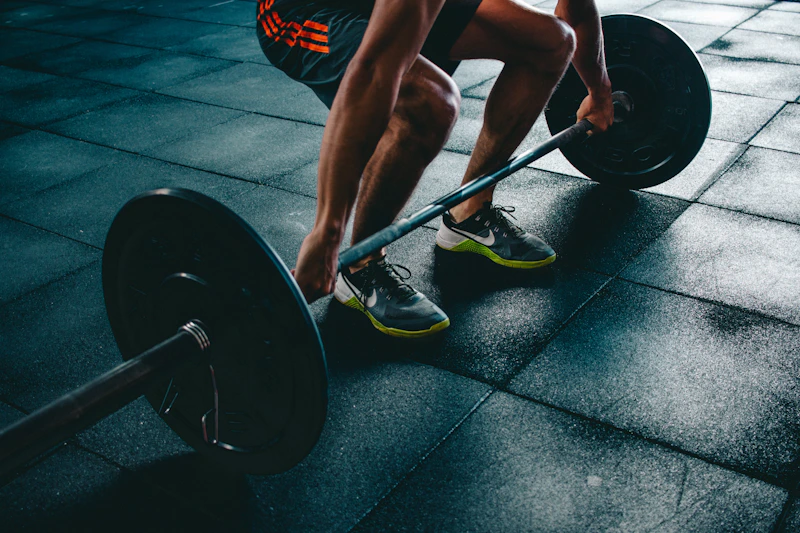
Exercise isn't a nice-to-have during and after GLP-1 therapy — it's the piece that decides how much of your results are muscle vs. fat, and how well those results hold up over the long haul. Medication can create the calorie deficit; exercise (especially strength training) is what makes that deficit come mostly from fat.
This guide walks through why strength training matters most, how to structure a weekly plan, sample workouts for beginners and returning exercisers, cardio recommendations, and adaptations for low-appetite days.
Why Exercise Matters More on GLP-1s
- Weight loss from any cause includes some muscle loss — resistance training minimizes it
- Muscle protects metabolic rate, so maintenance is easier later
- Strength work improves insulin sensitivity and blood sugar control
- Exercise supports mood, sleep, and stress recovery — all under pressure during weight loss
- Muscle mass is a direct predictor of fall prevention, mobility, and healthspan
- Habits built during medication carry forward into the maintenance phase
The Two Pillars of a Post-GLP-1 Plan
| Pillar | Weekly Target | Why It Matters |
|---|---|---|
| Resistance Training | 2–4 sessions | Preserves and builds muscle, protects metabolism |
| Daily Movement / Cardio | 150+ min moderate or 75+ min vigorous | Heart, lungs, blood sugar, mood, energy |
Everything else — mobility, flexibility, balance — is important, but these two are the backbone.
Resistance Training Basics
The 5 Movement Patterns to Cover
- Squat — goblet squat, bodyweight squat, leg press
- Hinge — Romanian deadlift, kettlebell swing, hip thrust
- Push — push-up, dumbbell press, machine chest press, overhead press
- Pull — dumbbell row, lat pulldown, cable row, TRX row
- Carry / Core — farmer carry, plank, dead bug
Sets and Reps
- 2–4 sets per exercise
- 6–15 reps per set — the sweet spot for muscle preservation and building
- Stop 1–3 reps short of failure
- Rest 60–120 seconds between sets
- Progressive overload — a little more weight, reps, or better form each week
Full-Body vs. Split Routines
For most people on or after GLP-1s, full-body sessions 2–3 times per week are ideal. They cover all major patterns, allow recovery, and are efficient. Upper/lower splits work well for those training 4 days per week.
Sample Weekly Plans
Beginner (2 Strength Sessions + Walking)
- Monday: Full-body strength (30–45 min)
- Tuesday: 30-minute walk
- Wednesday: Rest or light stretch
- Thursday: Full-body strength (30–45 min)
- Friday: 30-minute walk
- Saturday: 45-minute activity (hike, bike, dance)
- Sunday: Rest
Intermediate (3 Strength + Cardio)
- Monday: Full-body strength
- Tuesday: 30–40 min moderate cardio
- Wednesday: Full-body strength
- Thursday: Walk + mobility
- Friday: Full-body strength
- Saturday: Longer activity (60+ min hike, bike ride)
- Sunday: Rest or gentle yoga
Advanced (4 Strength + Cardio)
- Monday: Upper body strength
- Tuesday: Cardio (30–45 min)
- Wednesday: Lower body strength
- Thursday: Cardio + core
- Friday: Upper body strength
- Saturday: Lower body strength or long activity
- Sunday: Rest / mobility
Sample Beginner Full-Body Workout
- Goblet squat — 3 × 10
- Dumbbell Romanian deadlift — 3 × 10
- Push-up (or incline push-up) — 3 × 8–12
- Dumbbell row — 3 × 10 each side
- Plank — 3 × 20–40 seconds
- Optional finisher: 5-minute walk or bike
Warm up with 5 minutes of walking and light dynamic movement. Total time: 30–45 minutes.
Sample Intermediate Full-Body Workout
- Barbell or dumbbell squat — 3 × 8–10
- Hip thrust or Romanian deadlift — 3 × 10
- Dumbbell bench press or push-up — 3 × 10
- Cable row or one-arm dumbbell row — 3 × 10
- Overhead press — 2 × 10
- Farmer carry — 2 × 30 seconds
- Dead bug — 2 × 10 each side
Cardio Recommendations
- 150 minutes moderate cardio per week (brisk walking, cycling, swimming) OR
- 75 minutes vigorous cardio (jogging, high-effort cycling, dance classes)
- Steps: 7,000–10,000+ per day is a strong daily habit
- Walk after meals when possible — helps blood sugar control
- Choose activities you enjoy and will actually do
Balance and Mobility
- Yoga or tai chi 1–2 times per week (bonus for stress and sleep)
- 10 minutes of mobility work most days
- Single-leg stands, heel-to-toe walking (especially for adults over 50)
- Foam rolling or dynamic stretching before workouts
Adapting for Low-Appetite or Low-Energy Days
- Shorten the workout — 15 minutes counts
- Reduce weight, keep the movement patterns
- Prioritize resistance work over cardio when energy is low
- Eat something small with protein and simple carbs 30–60 minutes before
- Hydrate — dehydration is a common cause of workout fatigue on GLP-1s
- Rest when you truly need to — one skipped session doesn't matter; a skipped month does
Pre- and Post-Workout Nutrition
- Before: A small protein + carb combo — Greek yogurt with berries, a banana with peanut butter, or a protein shake
- After: A protein-forward meal or shake within 1–2 hours (25–40 g protein)
- Hydration: Drink water before, during, and after training
- Electrolytes: Consider a low-sugar electrolyte drink for longer sessions or in the heat
Progression: Adding Difficulty Over Time
- Add reps first — go from 8 reps to 10 to 12
- Then add weight — even 2.5–5 lb increases are meaningful
- Add a set — from 2 sets to 3 to 4
- Add a new exercise variation — from goblet squat to front squat, or push-up to bench press
- Improve tempo control — slower on the lowering (eccentric) phase
Home vs. Gym vs. Trainer
Home Setup
- Adjustable dumbbells or 2–3 pairs of dumbbells
- Resistance bands
- A sturdy chair or bench
- Yoga mat
- Optional: kettlebell, pull-up bar
Gym Setup
- Machines for beginners — easier to learn form
- Free weights for intermediate/advanced lifters
- Cable stations for pulling and pressing variety
Working with a Trainer
- A few sessions to learn form is a strong investment
- Ongoing coaching for accountability
- Look for trainers with experience in weight loss or clinical populations
Safety and When to Get Help
- Get clearance from your provider before starting a new program, especially with cardiovascular history
- Start easier than you think you need to
- Stop with sharp pain (not muscle burn) — soreness is normal; pain is not
- Watch for signs of low blood sugar during exercise, especially if on diabetes medication
- Physical therapists are excellent for older adults or anyone with prior injuries
Common Exercise Mistakes
- Only doing cardio
- Skipping strength training because "I'm not there yet"
- Trying to make up missed workouts with one massive session
- Cutting calories too low, so training suffers
- Not progressing — same weights, same reps, forever
- Ignoring recovery, sleep, and hydration
- Comparing progress to social media rather than to yourself
References
- American College of Sports Medicine — Physical Activity Guidelines.
- National Institutes of Health — Resistance Training and Weight Loss Research.
- Obesity Medicine Association — Exercise Recommendations During Anti-Obesity Therapy.
- American Diabetes Association — Physical Activity and Diabetes.
- Academy of Nutrition and Dietetics — Exercise and Nutrition for Weight Management.
The Bottom Line
Exercise is the difference between "I lost weight and lost muscle" and "I lost weight and kept my strength." Two to four resistance training sessions per week, adequate protein, daily movement, and consistent progression build the physical foundation that carries your GLP-1 results forward — through treatment and long after. Start where you are, stay consistent, and let the compound effect do its work.

 Google Play
 Apple Store