Low-oxalate foods are the foundation of a kidney-stone-friendly diet. If you form calcium oxalate stones — the most common type — choosing foods that are naturally low in oxalate gives you room to eat a wide, satisfying diet while keeping urinary oxalate under control.
Below you will find lists of low-oxalate foods by category, practical meal ideas, and tips for pairing them with higher-oxalate favorites. For a complete at-a-glance reference, see our oxalate food chart, or use our oxalate intake calculator to estimate your daily intake.
Quick Answer: What Foods Are Low in Oxalate?
Most animal proteins (chicken, fish, eggs, dairy), many fruits (apples, bananas, berries, melons), and many vegetables (broccoli, cauliflower, bell peppers, cabbage) are low in oxalate. The foods highest in oxalate are spinach, rhubarb, almonds, and wheat bran. You do not need to eliminate all oxalate — the key is pairing oxalate-containing foods with calcium-rich foods at meals. Learn why in our guide to calcium and kidney stones.
What Counts as Low-Oxalate?
While there is no universally agreed cutoff, most dietitians and kidney specialists use these approximate ranges per serving:
- Low: under 10 mg of oxalate
- Moderate: 10 to 25 mg
- High: above 25 mg
Oxalate content varies with growing conditions, ripeness, and cooking method. For a detailed explanation of why values vary, see our oxalate food chart.
Low-Oxalate Foods by Category
Fruits
Most fruits fall into the low or moderate range. Best low-oxalate choices include:
- Apples
- Blueberries
- Grapes
- Melons (cantaloupe, honeydew, watermelon)
- Cherries
- Peaches and nectarines
- Pears (skinless are typically lower)
- Plums
- Strawberries in moderate amounts
- Bananas
- Pineapple
- Mango
Vegetables
Many popular vegetables are naturally low or moderate in oxalate:
- Bell peppers (red, green, yellow)
- Broccoli (cooked)
- Cabbage (green and red)
- Cauliflower
- Cucumbers
- Mushrooms
- Onions and shallots
- Zucchini and yellow squash
- Lettuce (iceberg, romaine, butter)
- Radishes
- Green peas in moderate portions
Grains and Starches
- White rice
- Pasta (in moderate portions)
- Oats in moderate portions
- Cornmeal and grits
- Barley in moderate amounts
- Sourdough or lighter breads (lower than whole wheat)
Proteins
- Chicken and turkey
- Beef and pork in reasonable portions
- Fish and seafood (salmon, cod, tilapia, tuna)
- Eggs
- Cheese (moderate portions, lower-sodium varieties preferred)
- Milk and plain yogurt
Nuts and Seeds
Nuts vary widely in oxalate content. Better lower-oxalate choices include:
- Walnuts
- Pecans
- Macadamia nuts
- Pistachios
- Flaxseeds in small amounts
- Sunflower seeds in moderate portions
Beverages
- Water (still or sparkling)
- Lemon and lime water (added citrate is protective)
- Milk and plain kefir
- Herbal teas (chamomile, peppermint, rooibos)
- Coffee in moderation
- Fresh-squeezed lemonade (with limited added sugar)
Sample Low-Oxalate Foods Table
| Food | Portion | Oxalate Level |
|---|---|---|
| Chicken breast | 4 oz | Very low |
| Eggs | 2 large | Very low |
| Milk | 1 cup | Very low |
| Plain yogurt | 1 cup | Very low |
| Apple | 1 medium | Low |
| Blueberries | 1 cup | Low |
| Cauliflower (cooked) | 1 cup | Low |
| Cucumber | 1 medium | Very low |
| Bell pepper | 1 medium | Low |
| White rice (cooked) | 1 cup | Low |
| Pasta (cooked) | 1 cup | Low to moderate |
| Walnuts | 1 oz | Low |
| Cheddar cheese | 1 oz | Very low |
How to Build Low-Oxalate Meals
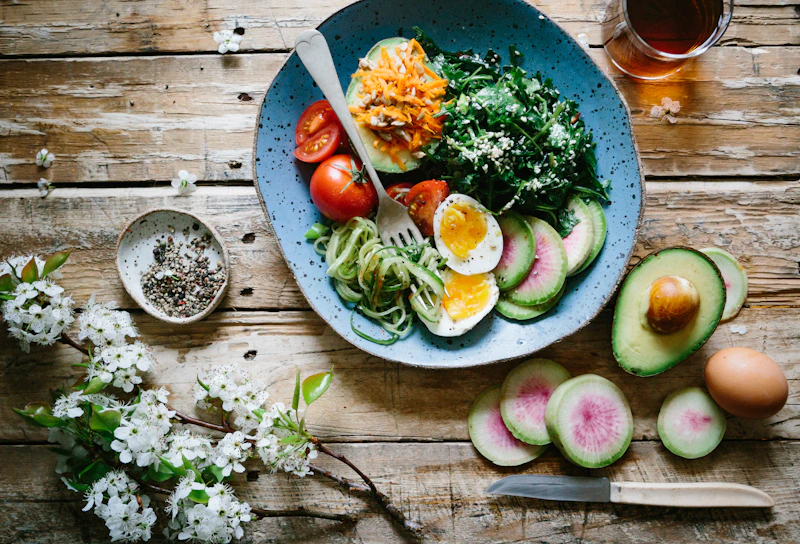
Balanced low-oxalate meals usually follow a familiar pattern:
- Protein: chicken, fish, eggs, or lean beef
- Starch: white rice, pasta, or a small potato serving
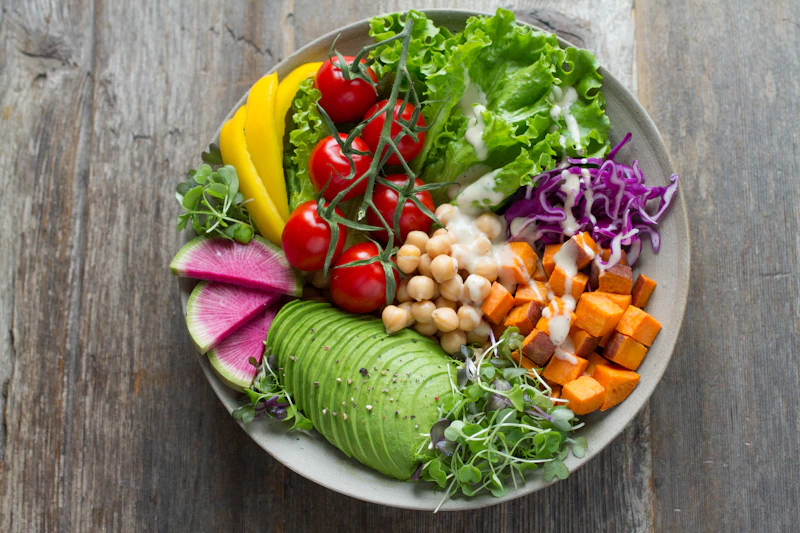
- Vegetables: cauliflower, zucchini, bell peppers, cabbage
- Fruit: berries, apple, melon, or grapes
- Dairy: milk, plain yogurt, or a moderate portion of cheese
- Fluid: plenty of water, ideally with lemon
For practical breakfast ideas using low-oxalate foods, see our low-oxalate breakfast guide.
Sample Low-Oxalate Day
- Breakfast: Scrambled eggs, whole-grain toast with butter, sliced apple, coffee, large glass of water.
- Mid-morning: Plain yogurt with blueberries; water.
- Lunch: Grilled chicken sandwich on white or sourdough bread with lettuce, tomato, cucumber, and cheese; grapes on the side; sparkling water.
- Afternoon: Small handful of walnuts and pear slices; water.
- Dinner: Baked salmon, white rice, roasted cauliflower and bell peppers; lemon water.
- Evening: Herbal tea; berries with a light sprinkle of granola.
Smart Pairing With Higher-Oxalate Foods
Even on a stone-prevention diet, you can still eat moderate portions of higher-oxalate foods you love. The trick is to pair them with calcium-containing foods at the same meal so calcium and oxalate bind in the gut and are eliminated together. Examples:
- Small sweet potato with plain yogurt on the side
- Berries and a light sprinkle of almonds served with milk
- Small piece of dark chocolate after a cheese-based dessert
- Spinach in a mixed salad with feta cheese
- Sesame-seasoned dishes served with a cup of milk or yogurt
Cooking Tips That Help
- Boil vegetables when practical. Boiling can leach some oxalate into the water — discard the water afterward for high-oxalate vegetables.
- Steam or roast lower-oxalate vegetables. Zucchini, bell peppers, cauliflower, and mushrooms respond well to any cooking method.
- Season with citrus. Lemon and lime juice add flavor and citrate, a stone-preventing compound.
- Watch sodium. Even low-oxalate meals can raise stone risk if they are packed with salt.
Balancing Nutrition While Managing Oxalate
A low-oxalate diet should never mean a low-nutrient diet. Focus on including:
- Calcium-rich foods — dairy, fortified plant milks, tofu made with calcium sulfate, canned sardines with bones.
- Fiber — vegetables, fruits, oats, and select whole grains in moderate portions.
- Healthy fats — olive oil, avocado, fatty fish, nuts and seeds (in reasonable portions).
- Adequate protein — spread across meals; balance animal and plant sources.
- Fluids — enough water each day to produce at least 2 to 2.5 liters of urine.
Foods Often Misunderstood on Low-Oxalate Diets
Some foods commonly get labeled as low-oxalate but should be watched more carefully:
- Sweet potatoes — moderate to high, often larger than expected.
- Whole wheat bread and bran cereals — moderate; portion matters.
- Almond milk and almond flour — moderate to high depending on brand and portion.
- Chocolate and cocoa — high; enjoy occasionally in small amounts.
- Beets and rhubarb — very high; usually best kept small if included at all.
Common Mistakes to Avoid
- Cutting calcium in an attempt to lower oxalate — this typically backfires.
- Choosing sugary low-oxalate drinks (many sports drinks and lemonades) as your main hydration source.
- Ignoring sodium because a meal is low in oxalate.
- Depending on huge portions of one or two "safe" foods, missing overall nutrition balance.
The Bottom Line
A low-oxalate diet is not about restriction — it is about building meals around a wide variety of naturally low-oxalate foods, adding smart calcium pairings when you enjoy higher-oxalate favorites, and pairing everything with plenty of water and reasonable sodium intake. That combination makes kidney stone prevention practical, flexible, and sustainable.
 Google Play
 Apple Store