Heart disease remains the leading cause of death in the United States — and diet is one of the biggest levers people can pull to change that trajectory. The good news is that heart-healthy eating is not extreme, restrictive, or complicated. It is a flexible, satisfying way to eat that fits into everyday life.
This guide walks through what heart-healthy eating actually looks like, the science behind it, the foods to emphasize and limit, and practical steps to build the pattern into your week.
What Makes a Diet "Heart-Healthy"?
A heart-healthy eating pattern is designed to lower the risk factors that drive cardiovascular disease:
- High blood pressure
- High LDL cholesterol
- High triglycerides
- Insulin resistance and diabetes
- Chronic inflammation
- Excess body weight
Almost all major heart-healthy diets — DASH, Mediterranean, MIND, and the AHA pattern — share the same core: more plants, lean protein, healthy fats, and less sodium, added sugar, and saturated fat.
The Core Principles
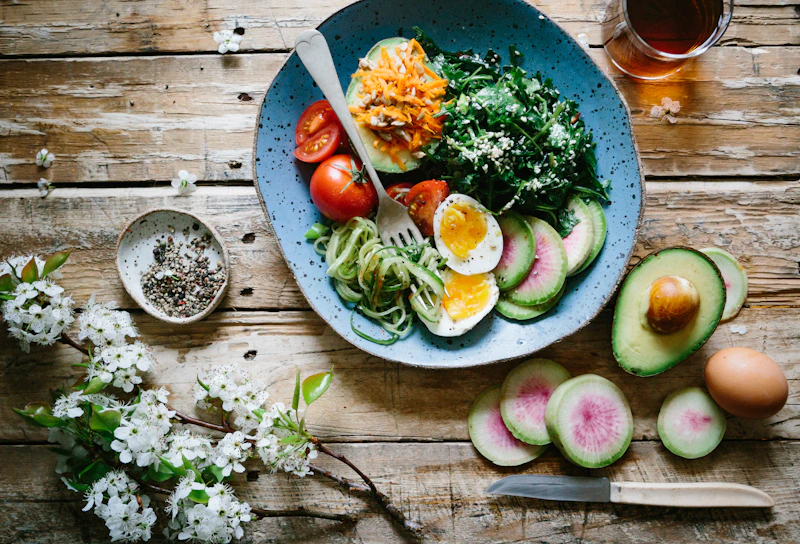
- Eat plenty of fruits and vegetables
- Choose whole grains over refined
- Include fatty fish and other lean proteins
- Use healthy fats like olive oil, nuts, and avocado
- Include low-fat dairy or fortified alternatives
- Limit added sugar and sugary drinks
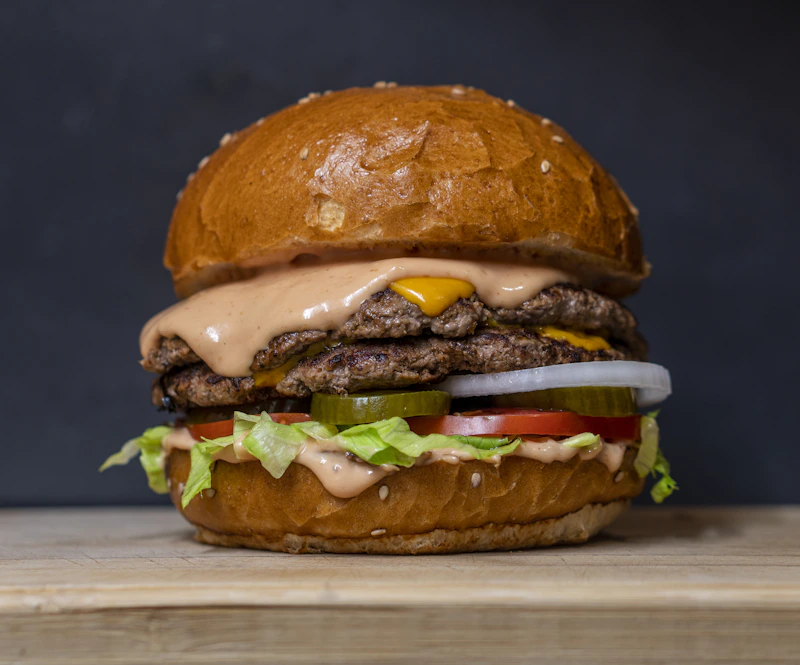
- Limit saturated fat and processed meats
- Keep sodium under 2,300 mg (ideally 1,500 mg) per day
- Balance calories with physical activity
Daily Servings Framework
| Food Group | Recommended |
|---|---|
| Vegetables | 4–5 servings/day |
| Fruits | 4–5 servings/day |
| Whole grains | 6–8 servings/day |
| Lean protein | 6 oz or less/day |
| Low-fat dairy | 2–3 servings/day |
| Fatty fish | At least 2 servings/week |
| Nuts, seeds, legumes | 4–5 servings/week |
| Healthy oils | 2–3 servings/day |
| Added sugars | Less than 10% of calories |
| Sodium | Under 1,500–2,300 mg/day |
Foods to Emphasize
Fatty Fish
- Salmon, sardines, mackerel, trout, herring
- Rich in omega-3 fats that support heart rhythm and lower triglycerides
- Aim for at least 2 servings per week
Vegetables and Fruits
- Leafy greens, tomatoes, bell peppers, cruciferous vegetables
- Berries, citrus, apples, pears, melons
- Provide fiber, potassium, magnesium, and antioxidants
Whole Grains
- Oats, quinoa, brown rice, whole-wheat bread and pasta, barley
- Support cholesterol control and satiety
Legumes
- Beans, lentils, chickpeas
- Combine plant protein with soluble fiber
- Associated with lower LDL cholesterol
Nuts and Seeds
- Walnuts, almonds, pistachios, chia, flax
- Provide healthy fats, fiber, and magnesium
- Small daily portions are ideal
Healthy Fats
- Extra-virgin olive oil
- Avocado
- Fatty fish
- Nuts and seeds
Low-Fat Dairy and Alternatives
- Milk, plain yogurt, cottage cheese
- Fortified soy or oat milk
- Provide calcium, potassium, and protein
Foods to Limit
- Processed and cured meats (bacon, sausage, deli meats)
- Fatty red meats in large or frequent portions
- Butter and full-fat dairy in large amounts
- Fried foods
- Sugary drinks (soda, sweet tea, sweetened coffee)
- Refined grains (white bread, white rice, pastries)
- Packaged snacks with hydrogenated oils
- High-sodium restaurant meals
Understanding Fats
| Fat Type | Sources | Effect on Heart |
|---|---|---|
| Monounsaturated | Olive oil, avocado, nuts | Beneficial |
| Polyunsaturated (omega-3) | Fatty fish, walnuts, flax | Beneficial |
| Polyunsaturated (omega-6) | Sunflower, corn oil | Beneficial in balance |
| Saturated | Butter, red meat, full-fat dairy | Moderate to limit |
| Trans | Some fried and packaged foods | Avoid |
Cholesterol: What Really Moves the Needle
- Reducing saturated fat
- Eating soluble fiber (oats, beans, fruit, barley)
- Including omega-3 fats regularly
- Reaching and maintaining a healthy weight
- Physical activity most days
- Not smoking
Sample Heart-Healthy Day
- Breakfast: Oatmeal with milk, blueberries, and walnuts; small glass of orange juice; coffee.
- Mid-morning: Apple and a small handful of unsalted almonds.
- Lunch: Grilled chicken and vegetable wrap in whole-grain tortilla; side salad with olive oil–lemon dressing; sparkling water.
- Afternoon: Plain yogurt with strawberries.
- Dinner: Baked salmon, brown rice, roasted broccoli and carrots; lemon water.
- Evening: Herbal tea; a small square of dark chocolate.
Everyday Heart-Healthy Habits
- Cook at home most nights of the week
- Prepare a batch of grains and roasted vegetables on the weekend
- Aim for at least half your plate as vegetables and fruits
- Include one plant-based meal per day
- Choose water or unsweetened beverages by default
- Season with herbs, citrus, garlic, and vinegar
- Read labels for sodium, saturated fat, and added sugar
Physical Activity: The Other Half
Diet is powerful, but combining it with regular activity is far more effective for heart health. The American Heart Association recommends:
- At least 150 minutes of moderate activity per week (or 75 minutes of vigorous)
- Muscle-strengthening activities on 2 or more days per week
- Reducing prolonged sitting throughout the day
Special Considerations
People With Hypertension
DASH-style eating with sodium under 1,500 mg per day is especially effective. See our DASH guide.
People With Diabetes
Focus on whole grains, non-starchy vegetables, lean protein, healthy fats, and limiting added sugar and refined carbs.
Older Adults
Emphasize protein at each meal, adequate calcium, and enough calories to maintain strength.
People With Kidney Disease
Some heart-healthy foods (nuts, beans, dairy) may need moderation depending on stage. See our kidney-friendly eating guide.
Common Mistakes to Avoid
- Focusing only on fat and ignoring sodium and added sugar
- Assuming "gluten-free" or "keto" automatically means heart-healthy
- Skipping meals and overeating later
- Relying on "healthy" packaged foods without checking labels
- Overlooking portion sizes even for healthy fats and grains
References
- American Heart Association — Diet and Lifestyle Recommendations.
- National Heart, Lung, and Blood Institute (NIH) — Heart-Healthy Eating and DASH.
- Centers for Disease Control and Prevention — Heart Disease Facts.
- Dietary Guidelines for Americans, 2020–2025.
- U.S. Food and Drug Administration — Sodium in Your Diet.
- Mayo Clinic — Heart-Healthy Diet: 8 Steps to Prevent Heart Disease.
The Bottom Line
Heart-healthy eating is not about strict rules or exotic foods — it is a flexible, sustainable pattern built on real, minimally processed food. Emphasize produce, whole grains, fish, and healthy fats. Keep sodium, added sugar, and saturated fat in check. Pair it with movement, sleep, and stress management, and your heart will thank you for decades.
 Google Play
 Apple Store