Restaurants are the single largest source of excess sodium in most people's diets. A single meal out can deliver two days' worth of sodium — even from dishes that seem "healthy." The good news: with a few consistent habits, eating out on a lower-sodium diet is completely doable, and you do not have to give up favorite cuisines or social occasions.
This guide gives you cuisine-by-cuisine strategies, ordering scripts, best and worst picks, and simple habits to make lower-sodium restaurant meals your default.
Why Restaurants Are So High in Sodium
- Salt is cheap, powerful flavor
- Many ingredients arrive pre-brined or pre-seasoned
- Sauces, gravies, and dressings pile on sodium
- Cheese, cured meats, and pickled toppings are common
- Portion sizes are often 1.5–2x home portions
Result: a typical entree can easily contain 1,500–3,000 mg of sodium — before sides, appetizers, or drinks.
The Core Restaurant Strategy
- Look at the menu before you go. Choose 1–2 backup dishes.
- Ask specific, polite questions. "How is this seasoned?" "Is this brined?"
- Order simple, grilled proteins with vegetables.
- Request sauces, dressings, and cheeses on the side.
- Skip the bread basket, chips, or pickle plate.
- Drink water — no salted rims, no sports drinks.
- Take half home when portions are large.
Ordering Scripts You Can Use
- "Could you have the chef prepare this without added salt, please?"
- "Sauce/dressing on the side, please."
- "Is this chicken/turkey brined or pre-seasoned?"
- "Could I swap the fries for a side salad or steamed vegetables?"
- "No cheese, please."
- "Grilled instead of fried, please."
- "Could you leave out the bacon/ham/olives?"
Cuisine-by-Cuisine Guide
American / Diner
Best picks: grilled chicken breast, salmon, egg dishes (ask to hold cheese/bacon), side salads, plain baked potato, steamed vegetables, fresh fruit.
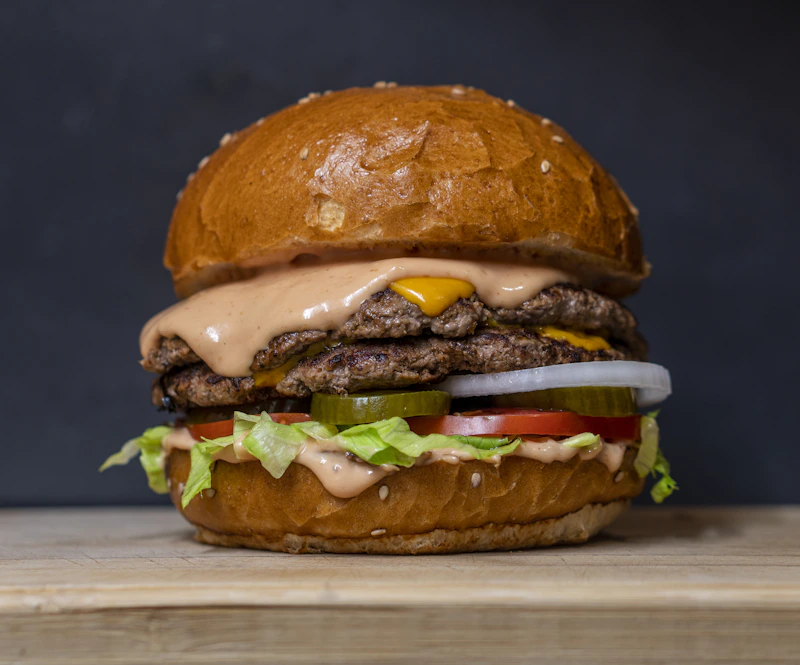
Watch out for: burgers with cheese, bacon, and sauces; deli sandwiches; soups; anything with gravy; pancakes with syrup and side meats.
Italian
Best picks: grilled fish or chicken, mixed green salad with olive oil and vinegar, pasta with olive oil, garlic, and vegetables (light on cheese), plain grilled bread.
Watch out for: minestrone, tomato soups, meat lasagna, pizza with cured meats, garlic bread, breaded chicken (Parmesan), Alfredo sauces.
Mexican / Tex-Mex
Best picks: grilled fish or chicken tacos on corn tortillas, black beans, brown rice (no seasoning added), fajita vegetables, fresh salsa, guacamole.
Watch out for: chips and salsa in unlimited amounts, cheese sauces, refried beans (often high sodium), enchilada sauces, chorizo, sour cream.
Chinese
Best picks: steamed dishes with sauce on the side (steamed fish, chicken, vegetables), plain steamed rice, hot and sour soup only in small portions, dumplings without heavy sauce.
Watch out for: soy sauce, teriyaki, kung pao, black bean sauce, egg drop soup, fried rice, most standard sauces (very high sodium).
Japanese
Best picks: sashimi, salmon nigiri (light on soy), edamame without added salt, seaweed salad in small amounts, miso soup occasionally, grilled fish.
Watch out for: teriyaki, tempura, heavy sushi rolls with sauces, miso in large amounts, pickled sides, ramen (very high sodium).
Thai / Vietnamese
Best picks: pho with the broth partially skipped (ask), summer rolls with fresh vegetables, grilled meats, larb-style salads with sauce on the side.
Watch out for: fish sauce, oyster sauce, curry pastes, peanut sauces, pad Thai, pho broth (very high sodium).
Indian
Best picks: tandoori chicken or fish, plain basmati rice, dal (in moderate portions), cucumber raita, plain naan (small portion).
Watch out for: creamy curries with lots of sauce, pickles (achar), papadums, chutneys, breads brushed with ghee and salt.
Mediterranean / Middle Eastern
Best picks: grilled fish, chicken, or lamb, mixed grill without sauces, tabbouleh, hummus in small portions, cucumber-tomato salad, plain pita in moderation.
Watch out for: olives, feta, pickled vegetables, cured meats, salted flatbreads, and heavy sauces.
Fast Food and Casual Chains
When fast food is unavoidable, choose:
- Grilled chicken sandwich without cheese or sauce
- Kids-sized burger or smaller portion
- Side salad with olive oil and vinegar or half a packet of dressing
- Fruit cup or apple slices
- Water or unsweetened tea instead of soda
- Grilled tacos or fajita bowls without cheese or sour cream
Watch out for: chicken sandwiches with pickles, bacon, cheese, and sauce; combo meals; large fries; salted appetizer sides.
Sample Menu Comparisons
| Typical Order | Approx Sodium | Lower-Sodium Order | Approx Sodium |
|---|---|---|---|
| Cheeseburger + fries | 1,800 mg | Grilled chicken sandwich (no sauce/cheese) + side salad | 700 mg |
| Chicken Parmesan + pasta | 2,400 mg | Grilled chicken + olive oil pasta + salad | 900 mg |
| General Tso's Chicken + rice | 2,600 mg | Steamed chicken and veggies + light sauce on side | 800 mg |
| Nachos + margarita | 2,000 mg | Grilled fish tacos + salsa + water | 650 mg |
| Ramen bowl | 3,000+ mg | Sashimi + edamame + small miso | 700 mg |
Ordering by Situation
Business Lunch
- Grilled fish or chicken with vegetables
- Side salad instead of fries or bread
- Water; skip the appetizer round
Date Night
- Look up menu in advance
- Choose one splurge (e.g., a small dessert) rather than salty apps + heavy sauces + dessert
- Share entrees when portions are large
Group Dinner
- Suggest a restaurant with flexible options
- Pre-order or scan the menu ahead
- Skip communal salty apps (calamari, pretzel plates, cheese boards)
Travel and Airports
- Pack fresh fruit, unsalted nuts, and a water bottle
- Look for grilled or fresh options rather than pre-made sandwiches
- Choose plain coffee, tea, or water
Common Restaurant Mistakes to Avoid
- Eating unlimited bread, chips, or pretzels while waiting
- Ordering "healthy" salads loaded with cheese, bacon, and heavy dressing
- Assuming grilled = low sodium (grilled meats are often brined)
- Adding extra sauces, salts, and cheeses at the table
- Drinking multiple sodas or sweetened drinks
- Ordering soup as an appetizer — very high sodium
Small Habits That Add Up
- Drink a full glass of water before you order
- Split entrees or plan for leftovers
- Choose one indulgent element per meal, not all of them
- Pick a "signature move" per cuisine — a go-to lower-sodium order
- Give yourself a lower-sodium day around big meals
References
- American Heart Association — Sodium in Restaurant Food.
- U.S. Food and Drug Administration — Menu Labeling Requirements.
- Centers for Disease Control and Prevention — Sodium and the American Diet.
- National Institutes of Health — DASH Eating Plan.
- Academy of Nutrition and Dietetics — Eating Out on a Sodium-Restricted Diet.
- Dietary Guidelines for Americans, 2020–2025.
The Bottom Line
Eating out does not have to derail your low-sodium plan. A little preparation, a few polite questions, and a handful of go-to orders per cuisine can dramatically lower the sodium you take in — while still letting you enjoy meals, celebrations, and travel. Consistency at home combined with mindful choices out beats perfection every time.
 Google Play
 Apple Store