This FAQ answers the most common questions we hear about sodium and lower-sodium eating — from daily limits and health effects to practical tips for cooking, snacks, restaurants, kids, and travel. Use it as a quick reference and jump to the sections most relevant to you.
The Basics
What is sodium?
Sodium is a mineral your body needs in small amounts to regulate fluid balance, nerve signals, and muscle function. Most sodium in the diet comes from salt (sodium chloride), which is about 40% sodium by weight.
How much sodium should I eat per day?
Most adults should stay under 2,300 mg per day (the FDA and USDA recommendation). People with high blood pressure, heart disease, or kidney disease often aim for 1,500 mg. Full details in our sodium guide.
Why is too much sodium bad?
Excess sodium raises blood pressure, damages blood vessels over time, and increases the risk of stroke, heart attack, kidney disease, and stomach cancer.
Do I need to eat some sodium?
Yes — the body needs at least about 500 mg per day to function. A "zero salt" diet is neither realistic nor safe.
Sources of Sodium
Where does most sodium come from?
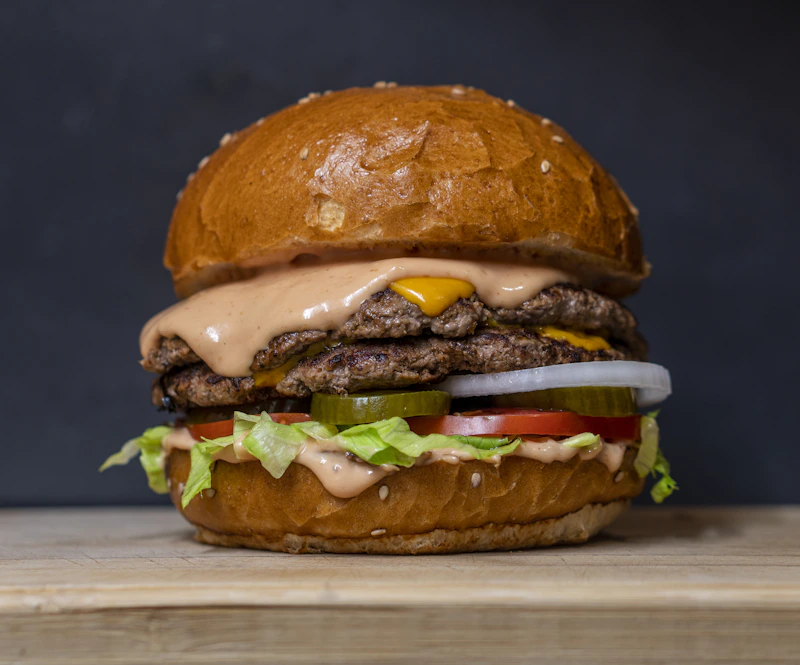
About 70% comes from packaged, processed, and restaurant foods — not the salt shaker. Top sources: breads, cured meats, cheese, pizza, sandwiches, soups, snacks, and sauces. See foods high in sodium.
What foods are naturally low in sodium?
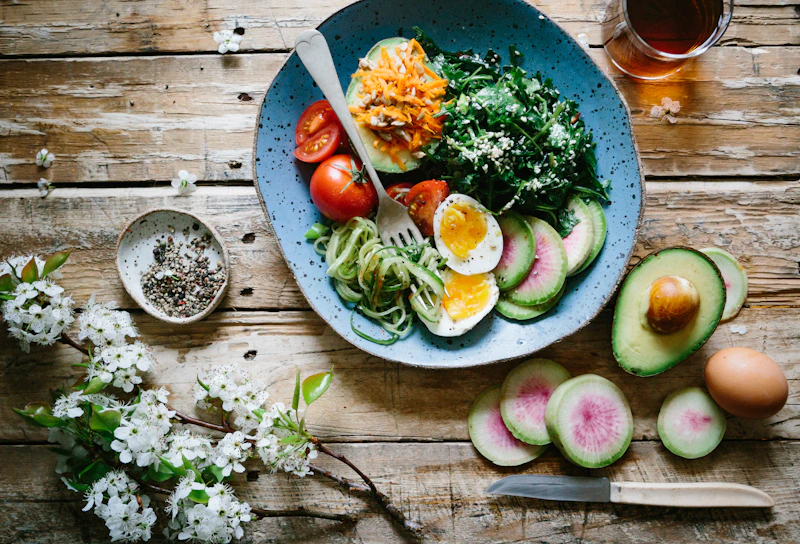
Fresh fruits, vegetables, plain grains, dried beans, fresh meats and seafood, eggs, and plain milk. See foods naturally low in sodium.
Is sea salt or Himalayan salt healthier?
No. By weight, all salts contain roughly 40% sodium. The trace minerals in specialty salts are too small to matter. See sodium myths and facts.
Health Effects
How does sodium affect blood pressure?
Excess sodium causes the body to retain water, increasing blood volume and pressure. Cutting sodium by 1,000 mg per day can lower systolic blood pressure by 5–8 mm Hg in many people.
Does sodium affect kidneys?
Yes. High sodium increases urinary calcium (a stone risk), raises blood pressure (a leading cause of kidney disease), and stresses the kidneys. See sodium and kidney stones.
Can lowering sodium help heart health?
Yes — often significantly. Combined with the DASH pattern, lower sodium can meaningfully reduce cardiovascular risk. See DASH diet and heart-healthy eating.
Are salt cravings a sign I need salt?
Usually no. Most cravings reflect habits — a high-sodium diet trains stronger cravings over time. Reducing sodium gradually retrains the palate.
Cooking and Meals
How do I make food flavorful without salt?
Use herbs, garlic, onion, citrus, vinegar, chili flakes, smoked paprika, mustard, ginger, and salt-free spice blends. Layer flavors and use fresh ingredients.
Can I still eat bread?
Yes — but choose lower-sodium breads (under 150 mg per slice) and be mindful of how many slices you eat.
What about cheese?
Small portions of naturally lower-sodium cheeses (Swiss, mozzarella, ricotta) work well. Limit processed slices, feta, blue cheese, and Parmesan.
Are canned foods off-limits?
No — choose "no salt added" or "low sodium" cans, and rinse canned beans to reduce sodium by up to 40%.
What are the best cooking methods?
Roasting, grilling, sautéing, steaming, poaching, and braising with fresh aromatics and herbs. Deep-frying and heavy sauces often add sodium.
Snacks, Kids, and Family
What are good low-sodium snacks?
Fresh fruit, unsalted nuts, air-popped popcorn, vegetables with hummus, hard-boiled eggs, plain yogurt, homemade energy bites, cheese sticks in moderation. See low sodium snacks.
Can kids eat low sodium?
Yes — and it's a great foundation. Kids' recommended sodium limits are actually lower than adults' (about 1,200–2,200 mg depending on age).
How do I introduce lower sodium to picky eaters?
Small swaps over time — same shape of food, less sodium. Homemade versions of familiar meals, sauces on the side, and gradual reductions work better than sudden overhauls.
Eating Out and Travel
How much sodium is in restaurant meals?
Typical restaurant entrees contain 1,500–3,000 mg of sodium. See our restaurant guide for lower-sodium ordering strategies.
What if I have to travel?
Pack fresh fruit, unsalted nuts, low-sodium bars, and a water bottle. In airports, look for grilled entrees, fresh salads with dressing on the side, and fruit.
Is fast food ever okay?
Occasionally, and with careful ordering — grilled chicken (unbrined if possible), side salads with olive oil and vinegar, fruit, water, and smaller portions.
Special Situations
Do I need more sodium if I sweat a lot?
Only in extreme conditions (endurance exercise over 90 minutes in heat). For most people's activity, plain water is sufficient.
Are electrolyte drinks and tablets necessary?
Rarely for the average person. They are designed for extended, intense exercise or medical conditions. Most people meet electrolyte needs through food.
Can I drink more water to cancel out a salty meal?
Water helps kidneys excrete excess sodium slowly, but no amount of water fully cancels a very-high-sodium meal. Sustained lower intake matters more.
Is a salt substitute safe?
Potassium chloride substitutes are safe for most people and may help lower blood pressure. People with kidney disease or on certain blood pressure medications should check with a doctor first.
Blood Pressure and Medications
How fast can lower sodium lower blood pressure?
Some people see changes within 1–2 weeks. Larger effects often show over 4–8 weeks. Combined with the DASH pattern, results tend to be stronger.
Do I still need medication if I lower sodium?
Sometimes lower sodium can reduce medication needs, but always follow your prescriber's guidance. Don't change medications on your own.
Practical Strategy
How do I start reducing sodium?
- Track a normal week to identify your top sodium sources
- Swap the biggest offender first
- Cook 1–2 more dinners at home per week
- Rinse canned goods
- Choose "low sodium" or "no salt added" versions of pantry staples
- Reduce over 4–8 weeks so taste buds adapt
What's the fastest big win?
Cutting deli meats, canned soup, and frozen dinners — often 700–1,500 mg per meal saved with a single swap.
How do I stick with it long-term?
Build habits, not perfection. Have a rotating list of 5–7 low-sodium dinners you enjoy, keep a "safe list" of grocery brands, and let restaurant meals be occasional, not daily.
Quick Numbers to Remember
- 2,300 mg — daily upper limit for most adults
- 1,500 mg — target for people with high blood pressure or heart disease
- 140 mg — "low sodium" per serving on food labels
- 35 mg — "very low sodium"
- 1,000 mg — the sodium reduction that can drop systolic BP by 5–8 mm Hg
- 70% — share of sodium coming from packaged and restaurant foods
- 2–8 weeks — time for taste buds to adapt
References
- American Heart Association — Sodium and Salt Guidelines.
- Centers for Disease Control and Prevention — Sodium and the American Diet.
- U.S. Food and Drug Administration — Sodium in Your Diet.
- National Institutes of Health — DASH Eating Plan.
- Academy of Nutrition and Dietetics — Sodium-Reduced Eating.
- Dietary Guidelines for Americans, 2020–2025.
The Bottom Line
Lower-sodium eating is not about restriction — it is about smart substitutions, home cooking, mindful ordering, and giving your palate time to adapt. Small, consistent changes save thousands of milligrams of sodium each week and can meaningfully improve blood pressure, heart, and kidney health over time.
 Google Play
 Apple Store